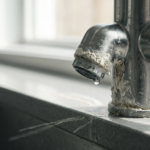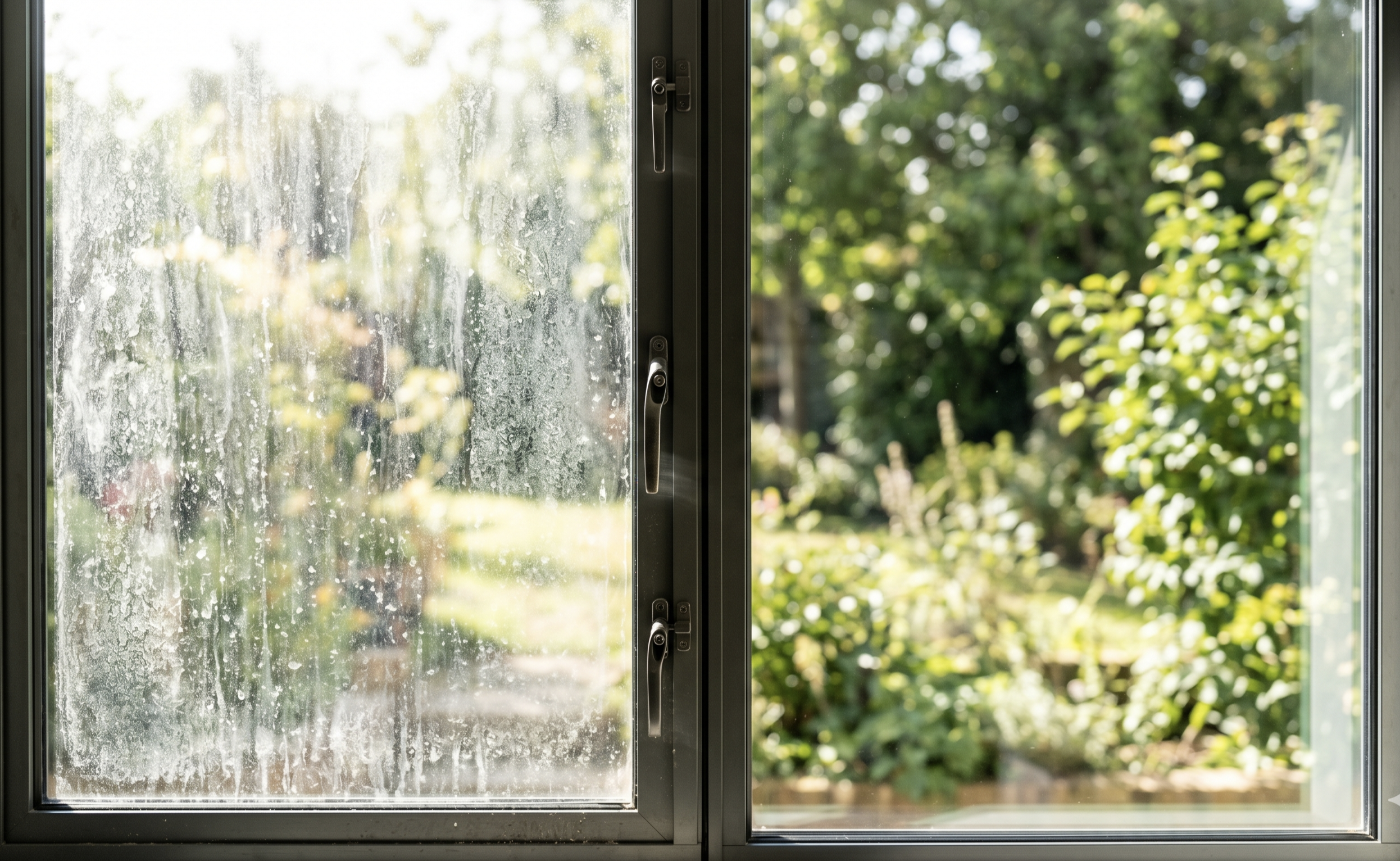
You wash your windows, step back, and they look worse. That hazy, chalky film isn’t dirt—it’s mineral deposits from hard water. Calcium, magnesium, and lime cling to glass when water evaporates, and standard glass cleaner won’t touch them. If you’re trying to figure out how to remove hard water spots from windows, the fix usually starts with breaking down those minerals—not scrubbing harder.
Most hard water spots on windows can be removed with the right acid, proper timing, and a thorough rinse. The key is matching the method to how severe the buildup is—get it wrong, and you’ll either waste effort or risk scratching the glass.
Whether the spots are light or severe, this guide shows how to remove them safely, what to avoid on tinted or older windows, and how to stop them from coming back too quickly.
How Bad Are the Hard Water Spots on Your Windows?
Most cleaning guides treat all hard water stains the same. They’re not.
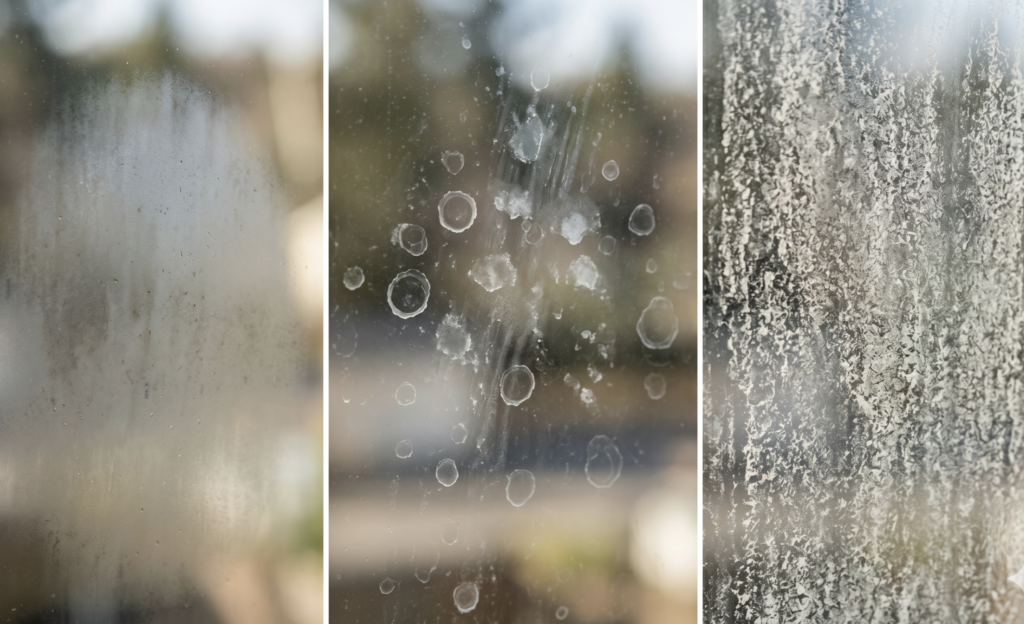
Before grabbing a spray bottle, figure out what you’re dealing with. Run your fingernail across a spot. If you feel ridges or a rough texture, the mineral buildup has started to etch the glass—a basic vinegar wipe won’t fix it.
| Severity | Appearance | Typical Cause |
|---|---|---|
| Light | Hazy film, barely visible | Recent sprinkler overspray |
| Moderate | Visible white rings or cloudy patches | Repeated rain + sun drying cycles |
| Severe | Chalky, gritty texture, feels rough | Years of hard water contact + no cleaning |
If you’re not sure whether your home has hard water to begin with, these signs of hard water can help you confirm it before you start.
What Not to Do Before You Start
Some common “hacks” cause more damage than the spots themselves. Avoid these:
- Razor blades on dry glass — Drags mineral particles across the surface and scratches it. Even experienced detailers wet the glass first.
- Steel wool or Magic Erasers — Both are abrasive enough to strip window coatings and tinting films.
- Ammonia-based cleaners — Hard water minerals react with ammonia and can leave a worse haze than before.
- Vinegar on tinted or low-E windows — The acid can degrade the metallic film. More on this below.
- Tap water as a final rinse — This is the mistake that makes spots come right back. Tap water reintroduces minerals the moment it dries.
Comparing the Best Tools and Materials
Here’s a straight comparison so you can pick the right tool for your situation—and your budget.
| Solution | Best For | Cost | Safe on Tinted Glass? | Notes |
|---|---|---|---|---|
| White vinegar + water (1:1) | Light spots | $ | ✅ Yes | Standard starting point |
| Baking soda paste | Moderate spots | $ | ✅ Yes | Gentle, no scratch risk |
| CLR / Lime-Away | Moderate–severe | $$ | ⚠️ Check label | Rinse immediately—don’t let it sit |
| 20% cleaning-grade vinegar | Heavy deposits | $ | ✅ Yes | Stronger acid concentration |
| Cerium oxide + felt buffer | Severe etching | $$$ | ✅ Yes | Requires some skill |
| Bio-Clean or similar professional remover | All levels | $$ | ✅ Yes | Easiest option for most homeowners |
For understanding why hard water is so stubborn on surfaces, this breakdown of what causes hard water explains where the calcium and magnesium actually come from.
Step-by-Step Methods Based on Severity
🟢 Light Spots — About 5 Minutes
These come off easily with a mild acid solution.
- Mix equal parts distilled white vinegar and distilled water in a spray bottle.
- Spray directly onto the glass. Let it sit for 60 seconds—don’t wipe immediately.
- Wipe with a clean microfiber cloth in circular motions, then in straight strokes.
- Rinse with distilled water, not tap. This is the step most guides skip, and it’s the reason spots return.
- Dry immediately with a second dry microfiber cloth.
Why distilled water matters: Tap water contains the same minerals causing the problem. Using it as a rinse deposits a fresh layer before the glass even dries.
🟡 Moderate Spots — About 15 Minutes
When vinegar alone doesn’t cut it, add some gentle abrasive action.
Baking soda slurry method:
- Mix baking soda with just enough water to form a thick paste.
- Apply to the spot with a damp cloth. Let it sit 2–3 minutes.
- Rub gently in small circles—the mild abrasive lifts deposits without scratching.
- Rinse thoroughly with distilled water and dry.
Lemon juice + cream of tartar paste: Mix 2 tablespoons lemon juice with 1 tablespoon cream of tartar. Apply, wait 3 minutes, scrub gently, rinse. The citric acid works similarly to vinegar but is slightly less harsh on surrounding surfaces.
Commercial spray foam cleaner: Products like Lime-Away foam are pre-formulated for calcium and lime scale. Spray, wait 3 minutes, agitate gently with a soft brush, rinse completely. Don’t let it pool on window frames—it can discolor vinyl and aluminum.
🔴 Severe / Etched Spots — 1–2 Hours
If you can feel the texture with your fingernail, the minerals have bonded with the silica in the glass itself. This is glass polishing territory, not just cleaning.
Cerium oxide method:
Cerium oxide is the same compound auto detailers use to restore headlights and windshields. It removes micro-scratches and mineral etching by lightly abrading the glass surface.
What you need:
- Cerium oxide powder (available at auto supply stores)
- Felt polishing pad
- Drill with polishing attachment or rotary tool
- Water spray bottle
- Safety goggles and dust mask
Process:
- Mix cerium oxide with water to form a thick slurry.
- Apply to felt pad. Dampen the glass.
- Work in small sections using medium speed. Keep the surface wet throughout.
- Wipe clean, inspect, repeat if needed.
- Final rinse with distilled water + microfiber dry.
This method takes practice. If you’re uncomfortable using a rotary tool on glass, or if the etching is deep, call a professional window cleaning service. Compare that cost against window replacement—on large panes, restoration is almost always cheaper.
Window-Specific Precautions
Not all windows are the same. Using the wrong method on the wrong glass causes permanent damage.
Tinted Windows
Never use vinegar, ammonia, or abrasive pads on tinted glass. The acid and friction degrade the film. Instead, use:
- 30% isopropyl alcohol diluted in distilled water
- A film-safe commercial cleaner (check the label explicitly)
Double-Pane / Argon-Filled Windows
The seal between panes is the critical concern. Avoid pressure washers near the edges. Standard spot-cleaning methods are fine on the exterior glass surface.
Tempered Glass (Including Shower Doors)
Tempered glass handles the same cleaning methods as standard glass. All the methods above are safe. The same hard water problem applies—daily squeegee use after showers dramatically reduces buildup.
Historic Wavy Glass
Old wavy glass (pre-1950s, common in historic homes) is thinner and more fragile. Never use acid-based cleaners. Stick to diluted dish soap, warm water, and a soft cotton cloth. Dry immediately.
A Simple Aftercare Routine That Prevents Spots
Cleaning once is fine. Not having to clean again is better.
Always use distilled water for the final rinse. A $1 gallon from the grocery store stops the mineral cycle immediately.
Apply a glass sealant or rain repellent. Products like Rain-X or car-grade glass sealants create a hydrophobic layer—water beads and runs off instead of drying in place. Apply after every deep clean. Reapply every 3–4 months.
Adjust your sprinklers. The single most overlooked prevention step. If a sprinkler is hitting your windows even occasionally, you’re fighting a losing battle. Redirect the head or lower the arc.
Consider a water softener if you’re on well water. Well water tends to have extremely high mineral content. A whole-home water softener addresses the root cause rather than just the symptom. If you’re dealing with hard well water, the mineral concentration is often much higher than municipal supply, which means spots form faster and etch deeper.
Troubleshooting: Why Isn’t It Working?
| Symptom | Likely Cause | Fix |
|---|---|---|
| Vinegar did nothing | Silica-based deposits (common with well water) | Switch to cerium oxide method |
| White haze returned the next day | Hard tap water used to rinse | Re-clean with distilled water + apply sealant |
| Streaks left behind after cleaning | Oil residue mixed with minerals | Wipe with microfiber dampened in isopropyl alcohol first |
| Spots darkened after CLR | Product sat too long or reacted with frame | Rinse immediately next time; test in small area first |
| Baking soda left white residue | Not rinsed thoroughly | Full distilled water rinse + dry |
FAQ
Can hard water spots become permanent?
Yes—eventually. When mineral deposits stay on glass long enough, they chemically bond with the silica in the glass surface. At that stage, cleaning products alone won’t remove them. You’ll need a glass polishing compound like cerium oxide, or professional restoration. Spots that feel rough to the touch are already at this stage.
Does WD-40 remove hard water spots from windows?
WD-40 can temporarily mask light spots, but it leaves an oily film that attracts dust and makes proper cleaning harder afterward. It doesn’t dissolve mineral deposits. Stick to acid-based solutions (vinegar, citric acid, CLR) for actual removal.
Will CLR damage window frames?
Yes, if left in contact too long. CLR is safe on glass itself, but it can discolor or pit vinyl, aluminum, and painted wood frames. Apply it only to the glass, and rinse the entire area—including frame edges—within two to three minutes of application.
How do hotels keep glass shower doors spotless?
Two habits: a squeegee after every use, and a daily spritz of diluted distilled water or a commercial daily shower spray. Some hotels also apply a professional hydrophobic sealant to the glass quarterly. The squeegee alone eliminates 80% of the mineral deposit cycle.
What’s the difference between hard water spots and etched glass?
Hard water spots sit on top of the glass—they’re a mineral residue that can be dissolved. Etched glass is damage to the glass surface itself, caused by prolonged acid or mineral contact. Spots clean off; etching requires polishing to remove.
For a deeper look at how mineral-heavy water affects your whole home, the Water Quality Association maintains up-to-date resources on water hardness testing and treatment options.