If your tap water suddenly tastes sweet, something has changed — either in your water supply, your plumbing, or a filtration system you’re running. Sweet-tasting tap water is uncommon enough that it warrants attention, even when it doesn’t smell bad or look discolored.
This article covers the five most likely causes behind sweet-tasting tap water, how to identify which one applies to your situation, and what to do about each one.
1. Elevated Mineral Levels — Particularly Calcium and Magnesium
Sweet-tasting tap water is most commonly linked to naturally occurring minerals, specifically calcium and magnesium at higher concentrations. These are the same minerals responsible for hard water, and at certain ratios, they produce a mild, slightly sweet or smooth taste rather than the flat or metallic taste many people associate with tap water.
Water sourced from limestone or chalk aquifers tends to carry elevated calcium bicarbonate levels. When these minerals are in balance — not excessively high — many people describe the taste as clean, neutral, or faintly sweet. This is often what bottled water manufacturers intentionally replicate.
You can confirm elevated mineral content by requesting your municipality’s annual water quality report, which lists calcium, magnesium, and total dissolved solids (TDS) values. High TDS from mineral content alone is generally not a health concern, but it’s worth knowing your baseline.
2. pH Imbalance — Alkaline Water Tends to Taste Sweeter
Water with a pH above 8 is considered alkaline, and alkaline water consistently registers as sweeter or smoother on the palate compared to neutral or slightly acidic water. This happens because higher pH reduces the perception of bitterness and enhances the detection of naturally occurring sweetness compounds.
Municipal water systems typically maintain pH between 6.5 and 8.5, as required by the EPA’s Secondary Drinking Water Standards. Values at the upper end of that range — particularly between 8.0 and 8.5 — are enough to produce a noticeable taste difference for sensitive palates.
pH can shift seasonally, especially after heavy rainfall, snowmelt, or changes in the source water. If the sweet taste appeared recently, a pH shift in the municipal supply is a plausible cause. You can verify this with an inexpensive home pH test strip or a digital pH meter. For context on what safe pH ranges look like, the tap water pH guide covers normal benchmarks and what deviations mean for health.
3. A New or Recently Changed Water Filtration System
Certain water filters — particularly activated carbon filters and reverse osmosis (RO) systems — alter the taste profile of tap water noticeably. When a new filter is installed or an old one is replaced, the first few gallons often taste different from what you were used to.
Activated carbon removes chlorine, chloramines, and many volatile organic compounds (VOCs). The absence of those compounds can make previously masked mineral flavors more prominent, sometimes registering as sweetness. Reverse osmosis membranes remove nearly everything, and the resulting low-TDS water can taste slightly sweet or flat depending on the individual’s palate.
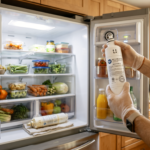
If the sweet taste started after installing or replacing a filter, flush the system thoroughly. Most manufacturers recommend running 2–5 gallons through a new filter before regular use to clear carbon fines and manufacturing residues. If the taste persists beyond the flush period, check whether your filter pitcher or fridge filter is due for replacement — an expired filter can release previously trapped compounds back into the water.
4. Plumbing Changes or New Pipes
New copper piping, recently soldered joints, or newly installed plastic (PEX or PVC) pipes can introduce compounds into the water that affect taste. Copper at low concentrations can produce a faint metallic-sweet taste. PEX piping, particularly in the first weeks after installation, is known to leach small amounts of plasticizers or antioxidants that produce a sweet or slightly chemical taste.
This is a recognized issue with new PEX installations. Studies have found that odor and taste compounds—including those described as sweet or plasticky—typically diminish after the plumbing system is flushed and used regularly. PEX pipes intended for drinking water are manufactured to meet applicable safety standards, such as NSF/ANSI/CAN 61, which establish health-effect requirements for materials used in potable water systems.
If plumbing work was recently completed in your home, run cold water for 2–3 minutes at each affected tap before drinking. Flushing removes stagnant water that has been in direct contact with new pipe materials for extended periods. If the taste persists after several weeks of regular use and flushing, contact a licensed plumber to inspect joints and connections.
For related issues that plumbing changes can cause — including low water pressure at a single faucet after installation work — it’s worth checking whether multiple symptoms appeared at the same time.
5. Contamination — Rare but Worth Ruling Out
In rare cases, sweet-tasting water can indicate contamination. Some industrial chemicals — including certain pesticides, herbicides, and solvents — produce sweet, syrupy, or chemical-sweet odors and flavors at detectable concentrations. Glycol-based compounds, which are used in industrial antifreeze and some hydraulic fluids, are notably sweet-tasting and can reach groundwater through industrial spills or underground pipe leaks.
This cause is uncommon for municipal water users, but it is more relevant for well water users in agricultural or industrial areas, where surface runoff and soil infiltration pose a higher contamination risk. Municipalities test regularly for a wide panel of contaminants and are required to issue public notification if results exceed action levels.
If the sweet taste is strong, chemical, or accompanied by any odor, cloudiness, or gastrointestinal symptoms after drinking, stop using the tap for drinking and cooking immediately. Contact your water utility for a quality report and consider submitting a water sample to a state-certified laboratory for independent testing. For an overview of what testing covers, the common tap water contaminants guide explains what labs typically screen for and how results are interpreted.
How to Identify the Cause in Your Home
| Symptom | Most Likely Cause |
|---|---|
| Sweet taste is consistent and long-standing | Natural mineral content (calcium/magnesium) |
| Sweet taste started after a filter change or installation | New filter or filtration system effect |
| Sweet taste started after plumbing work | New pipes leaching (especially PEX or fresh copper) |
| Sweet taste is seasonal or appeared recently | pH shift in municipal supply |
| Strong or chemical-sweet odor alongside the taste | Potential contamination — test immediately |
The fastest way to narrow down the cause is to compare taste across multiple taps and check whether the sweet taste is consistent throughout the home or isolated to one fixture. A single affected tap points to local plumbing or a fixture-level filter. A whole-home change points toward the municipal supply, pH, or incoming water chemistry.
When to Test Your Water
Sweet-tasting water that is mild, odorless, and consistent is generally a low-priority concern — but testing is still useful for establishing a baseline. An annual water test covers pH, TDS, mineral hardness, and a broad contaminant panel. Many county extension offices and water utilities offer low-cost or free testing for residents.
If the sweet taste is new, sudden, or accompanied by any physical symptoms, treat it as a priority and test before continuing regular consumption.
FAQ
Is sweet-tasting tap water safe to drink?
In most cases, yes. Sweet-tasting water is most often caused by naturally occurring minerals, high alkalinity, or a recently installed filtration system — none of which pose a health risk. However, if the sweetness has a chemical quality, appeared suddenly, or is accompanied by odor or illness, stop drinking the water and test it.
Can a water softener make tap water taste sweeter?
A salt-based water softener does not directly add sweetness, but it removes calcium and magnesium ions and replaces them with sodium ions. For some people, sodium-treated water tastes slightly different — sometimes described as softer, smoother, or mildly sweet compared to hard water. The difference is most noticeable when switching from very hard water. If you are sensitive to sodium intake, a water conditioner versus softener comparison may be useful for understanding alternative options.
Does sweet-tasting tap water mean the water has added sugar or sweetener?
No. Municipalities do not add sugar, sweeteners, or any flavor compounds to treated water. The perceived sweetness comes from mineral balance, pH, or the absence of compounds like chlorine that normally mask other tastes. If your water was consistently bitter or flat before and now tastes sweet after a filtration change, you are likely tasting the water’s natural mineral profile for the first time.
Can seasonal changes cause tap water to taste sweeter?
Yes. Municipal water sources — particularly surface water reservoirs and rivers — change in mineral composition and pH across seasons. Snowmelt and spring runoff typically dilute mineral content, while late-summer drawdown concentrates it. These shifts are within safe regulatory limits but are large enough to affect taste perception for sensitive individuals.
Why does my refrigerator filtered water taste sweeter than my tap water?
Refrigerator filters use activated carbon to remove chlorine, chloramines, sediment, and some organic compounds. Chlorine suppresses the perception of sweetness in water, so its removal often makes the underlying mineral taste more noticeable — which many people describe as cleaner, softer, or slightly sweet. If the filter hasn’t been replaced recently, check the replacement schedule. An overdue fridge water filter can allow previously filtered compounds to pass through, sometimes changing the taste profile.