When rain falls, it changes how water behaves inside municipal distribution systems. The spike in chlorine taste after rainfall is not random — it follows predictable patterns tied to how water utilities manage supply during and after storm events.
Rainwater carries organic material into surface water sources like rivers and reservoirs. To compensate, water treatment facilities increase chlorine dosing to maintain safe disinfection. That extra chlorine moves through the pipes into your home, and your taste buds pick it up quickly.
This article explains five specific causes behind the post-rain chlorine taste and covers solutions that range from no-cost adjustments to permanent filtration upgrades.
5 Reasons Your Water Tastes Like Chlorine After Rain
1. Increased Chlorine Dosing After Surface Runoff
Heavy rainfall washes nutrients, sediment, and organic material into surface water reservoirs and treatment plant intakes. Higher organic loads increase the demand on disinfection systems.
Municipalities respond by raising chlorine levels to maintain a residual concentration throughout the distribution network — typically between 0.2 and 4.0 mg/L as required by the EPA’s Safe Drinking Water Act. During and after significant rain events, dosing can push toward the upper end of that range.
The result: noticeably stronger chlorine taste at your tap for 24–72 hours after a major storm.
2. Chloramines Reacting With Post-Rain Organic Matter
Many utilities use chloramines — a combination of chlorine and ammonia — as a secondary disinfectant because they’re more stable in distribution pipes. After rain events, increased organic compounds in source water can interact with chloramines and create byproducts that produce a stronger medicinal or chemical taste, even when total chlorine levels haven’t risen dramatically.
This is distinct from free chlorine and often described as a sharper, slightly medicinal flavor rather than the classic pool-water taste. Testing tap water with a basic water quality test kit can help distinguish between chlorine and chloramine levels.
3. Stormwater Infiltration Into Distribution Mains
Older water distribution infrastructure — particularly pipes installed before the 1980s — can develop small cracks or compromised seals. During heavy rain, the pressure differential between saturated soil and pressurized pipes can allow trace amounts of groundwater and surface runoff to infiltrate the system.
Water utilities compensate for this risk by maintaining a higher chlorine residual in distribution mains, especially after storm events. The excess disinfectant is precautionary, but it’s what you taste at the faucet.
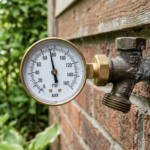
Neighborhoods with aging infrastructure, combined sewer systems, or clay pipe water mains are more susceptible to this. Water pressure fluctuations after heavy rain can sometimes signal distribution system stress related to this issue.
4. Reduced Water Demand Slowing Pipe Turnover
After heavy rainfall, outdoor water usage drops sharply. Lawn irrigation, car washing, and garden watering pause. This means water sits in distribution pipes longer than usual before reaching homes.
Chlorine breaks down over time, but its byproducts — including chlorine-organic compounds — can concentrate in stagnant sections of pipe. When demand resumes, that chemically altered water flushes through, producing off-tastes. This effect is more pronounced in dead-end pipe sections and low-pressure zones at the ends of distribution networks.
Running the cold tap for 60–90 seconds before using water for drinking or cooking flushes this standing water out effectively in most household situations.
5. Interaction With Household Plumbing After Pressure Changes
Rain events can cause minor pressure fluctuations in home plumbing. When pressure drops and then surges, sediment and mineral deposits loosened inside pipes can mix with the water supply. These particulates react with residual chlorine differently than clean water does, sometimes intensifying the perceived chemical taste or odor.
Homes with older galvanized or copper pipes are particularly prone to this. If the chlorine taste is accompanied by slight cloudiness or a metallic note, the pipe interaction is likely a contributing factor — similar to the causes behind tap water tasting like metal.
How to Fix Chlorine Taste in Tap Water After Rain
Run the Tap First
Before drinking or cooking, run the cold water tap for 60–90 seconds. This flushes standing water from household pipes and clears the section most affected by chlorine concentration and sediment disturbance. It costs nothing and resolves the issue for most post-rain taste complaints within minutes.
Use a Refrigerator or Pitcher Filter
Activated carbon filtration removes chlorine and chloramines through adsorption. A standard pitcher filter or refrigerator filter eliminates the vast majority of post-rain chlorine taste reliably. These are the most accessible and cost-effective options for households that notice the problem a few times per year.
Replace filters on schedule — an exhausted carbon filter can release trapped contaminants back into water. For guidance on replacement timing, see how often to replace a fridge water filter and how water filter pitchers remove chlorine.
Install an Under-Sink or Whole-House Activated Carbon Filter
For households that experience strong chlorine taste regularly — not just after rain — a point-of-use or whole-house carbon block filter provides continuous treatment. These systems handle higher flow rates and offer longer filter life compared to pitcher filters.
A whole-house unit treats water at the main supply entry, covering all taps, showers, and appliances. An under-sink filter serves the kitchen tap specifically. Both reduce chlorine, chloramine, sediment, and many volatile organic compounds consistently.
Let Water Sit in an Open Container
Chlorine off-gasses naturally from water when exposed to air. Filling a pitcher and letting it sit uncovered for 30–60 minutes at room temperature reduces free chlorine noticeably. This approach doesn’t address chloramines (which require activated carbon to remove), but for free chlorine from post-rain dosing, it’s a simple interim measure.
Check Your Faucet Aerator
A clogged or degraded faucet aerator traps sediment and organic residue that can interact with chlorinated water. Cleaning or replacing the aerator every 6–12 months reduces one variable that makes post-rain taste worse. A detailed process for this is outlined in the faucet aerator cleaning guide for those experiencing related low pressure alongside the taste issue.
Is Post-Rain Chlorine Taste a Health Concern?
Chlorine at the levels used in municipal water treatment is safe to drink according to the EPA and WHO drinking water guidelines. The taste threshold for chlorine sits between 0.1 and 0.3 mg/L for most people — well below the 4.0 mg/L maximum contaminant level set for public water systems.
Post-rain increases in chlorine are a deliberate safety measure, not a sign that the water is contaminated. The taste is unpleasant but not harmful. That said, people with heightened sensitivity, those using water for infants, or those concerned about long-term disinfection byproduct exposure may reasonably prefer filtered water as a consistent habit.
For a broader picture of what may be present in tap water beyond disinfectants, the overview of common tap water contaminants covers sources and typical concentration ranges across municipal systems.
When the Problem Is Worse Than Average
If chlorine taste persists longer than 72–96 hours after rain, or if it’s accompanied by unusual odors like rotten eggs or sulfur, a different issue may be involved. Sulfur-like smells often indicate bacterial activity in pipes or a water heater problem rather than a chlorine issue — the rotten egg smell in water guide covers that distinction in detail.
Well water users who notice post-rain chlorine taste may be experiencing surface water infiltration into the aquifer. Wells near agricultural land, older casings, or areas with shallow water tables are most vulnerable. The well water systems category includes resources on testing and protecting private well supplies after heavy rainfall events.
FAQ
Why does my water only taste like chlorine after it rains, not normally?
Rainfall increases organic load in source water, prompting water utilities to raise chlorine dosing to maintain disinfection safety. Under normal conditions, your water treatment plant maintains lower chlorine levels that stay below your taste threshold. Post-rain, the elevated dosage pushes past that threshold, making it noticeable. The taste typically fades within 24–72 hours as the system rebalances.
Does boiling water remove the chlorine taste after rain?
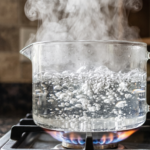
Boiling water for 1–2 minutes removes free chlorine through evaporation. It does not effectively remove chloramines. If your utility uses chloramine-based disinfection (check your annual water quality report to confirm), an activated carbon filter is more effective. Boiling also concentrates other dissolved minerals, which can affect taste.
Is it safe to make coffee or tea with post-rain chlorinated water?
Yes, it’s safe. However, chlorine can affect the flavor of hot beverages noticeably because heat accelerates the release of volatile chlorine compounds. Letting the water sit open for 30 minutes, or filtering it through activated carbon before brewing, produces noticeably better-tasting coffee and tea during high-chlorine periods.
Could the chlorine taste after rain be coming from my pipes rather than the main supply?
Yes, partly. Higher chlorine in the mains reacts more aggressively with mineral deposits, biofilm, and corrosion inside household pipes. Older galvanized steel or copper pipes amplify the chemical taste beyond what the utility’s supply alone would produce. Running the tap to flush standing water and cleaning faucet aerators addresses the pipe-side contribution.
How do I find out how much chlorine my water utility is adding?
Utilities are required to publish annual Consumer Confidence Reports (CCRs), which include chlorine and chloramine levels. These reports are available on your utility’s website or through the EPA’s CCR search tool. During storm events, some utilities post temporary notices about increased treatment measures on their websites or via local alerts.