A hissing sound coming from your toilet after flushing is one of the most common plumbing complaints homeowners deal with — and almost always one of the easiest to fix. The noise typically means water is moving or leaking somewhere it shouldn’t be once the tank refills.
In most cases, the problem is inside the toilet tank: a worn fill valve, a leaky flapper, or a misadjusted float. Occasionally, the issue is at the water supply line behind or below the toilet. Understanding where the sound is coming from is the first step to stopping it permanently.
This article covers every major cause of a hissing toilet, how to confirm which one is affecting your unit, and what to do about it — including which fixes are genuinely DIY-friendly and which are worth calling a plumber for.
What Does a Hissing Toilet Actually Mean?
A hissing noise from your toilet signals that water is flowing or leaking through a narrow opening under pressure. The sound itself is just like any other pressurized fluid moving through a tight gap — think of a slightly open valve or a worn seal allowing a slow, steady leak.
The hiss typically starts right after a flush and either stops once the tank finishes filling or continues indefinitely. That timing matters enormously for diagnosis:
- Hissing that stops after a minute or two usually points to the fill valve, which is working but worn or degraded.
- Hissing that never fully stops almost always means water is leaking past the flapper and the fill valve is trying to compensate by trickling in continuously.
- Hissing that seems to come from the wall or floor may indicate an issue with the supply line shutoff valve rather than anything inside the tank itself.
The Most Common Causes of a Hissing Toilet
1. A Failing or Worn Fill Valve
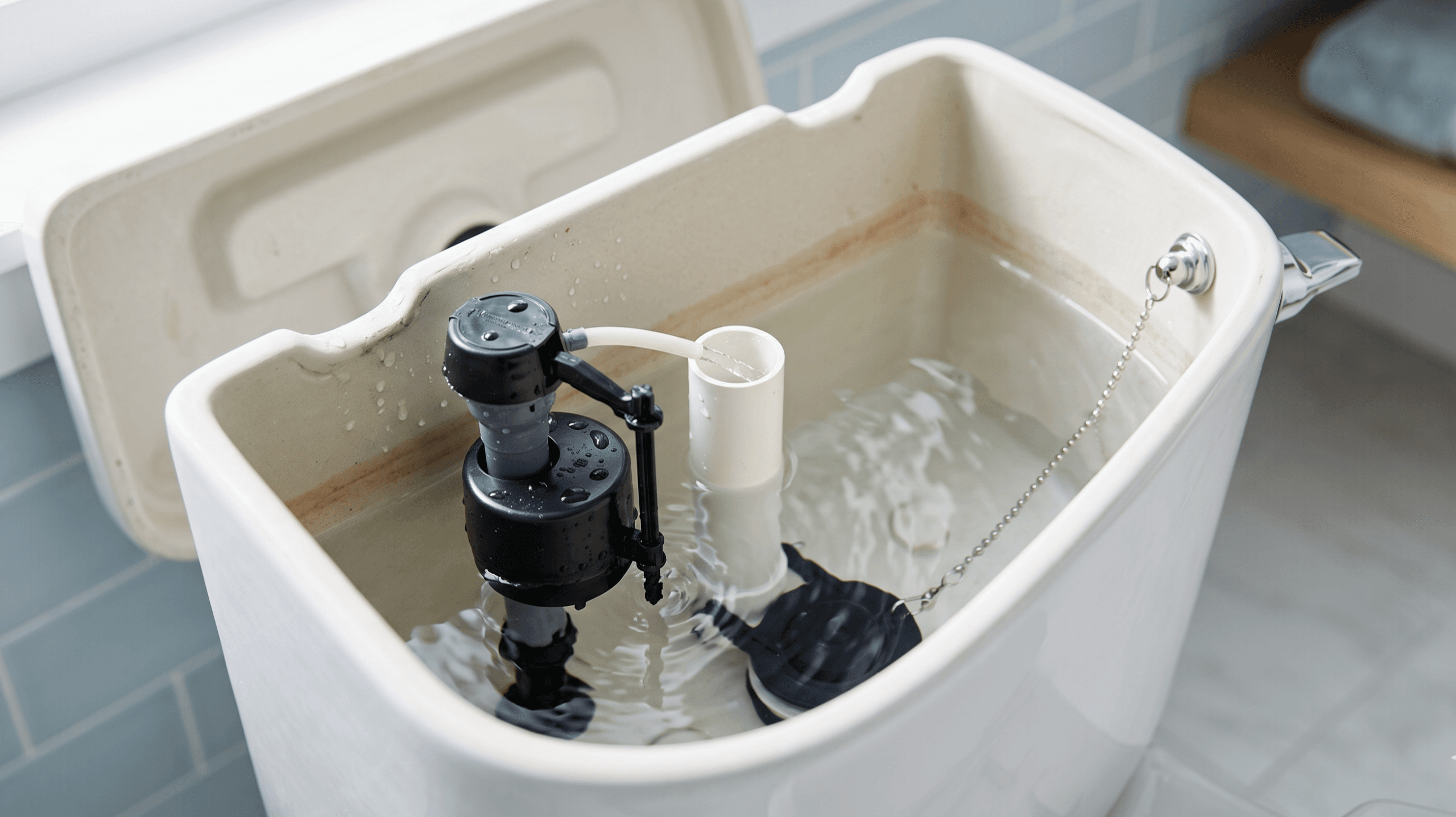
The fill valve controls how water enters the tank after a flush. It opens when the tank empties and closes once the water reaches the correct level. When the internal diaphragm or seal inside the fill valve begins to degrade, water can force its way through unevenly — creating that characteristic high-pitched hiss.
Older ballcock-style fill valves are especially prone to this. The rubber diaphragm inside hardens over time and no longer creates a clean seal, allowing small amounts of water to push through and vibrate against worn surfaces.
A failing fill valve often hisses during the refill cycle and then goes quiet. If the sound stops cleanly when the tank is full, replacing the fill valve is almost certainly the fix. Replacement fill valves are inexpensive and widely available at any hardware store. The swap takes about 20 minutes and requires no special tools beyond a wrench and a bucket.
2. A Worn or Damaged Flapper
The flapper is the rubber seal at the bottom of the tank that drops into place after flushing to hold water while the tank refills. When it wears out, warps, or accumulates mineral deposits, it stops sealing properly. Water slowly leaks from the tank into the bowl.
Because the tank is gradually losing water through a leaky flapper, the fill valve detects the low level and trickles water back in — creating a soft, continuous hiss that may seem to come and go in cycles.
The simplest way to test for a flapper leak is the dye test: drop a few drops of food coloring into the tank and wait 10–15 minutes without flushing. If color appears in the bowl, the flapper isn’t sealing.
Flapper replacement is arguably the easiest toilet repair there is. The part typically costs under $5, attaches with two rubber ears to pegs on the flush valve, and requires no tools whatsoever. Matching the flapper to your toilet brand ensures the best seal — a universal flapper works in most cases but may not seal correctly in all models.
Hard water is a significant contributor here. Mineral deposits coat the flapper seat and the flapper itself over time, preventing a proper seal. If hard water is a known issue in your home, flappers typically need replacing every 2–3 years rather than the typical 5–7.
3. Incorrect Float Adjustment
Every toilet has a float mechanism that tells the fill valve when to shut off. In older toilets, this is a large plastic or rubber ball attached to an arm. In newer models, it’s typically a cup float that slides along the fill valve shaft.
When the float is set too high, the water level in the tank rises above the overflow tube — a tall vertical standpipe in the center of the tank. Water then flows continuously into the overflow tube and down into the bowl, and the fill valve never fully closes. The result is a soft, persistent hiss that never stops.
To check for this, lift the tank lid and look at the water line relative to the overflow tube. The water surface should sit roughly half an inch to one inch below the top of the overflow tube. If water is at or above that line, the float needs adjustment.
On older ballcock designs, bending the float arm slightly downward lowers the shutoff point. On cup float designs, there’s typically an adjustment screw or clip on the valve body. Lowering the float by one turn at a time and then reflushing to test takes only a few minutes.
4. A Partially Closed or Faulty Supply Line Shutoff Valve
The supply line connects your home’s water supply to the toilet tank through a shutoff valve — typically located on the wall behind or below the toilet. When this valve is only partially open, water is forced through a narrow gap under pressure, creating a hiss that appears to come from below or behind the toilet rather than from inside the tank.
This can happen if someone partially closed the valve during a past repair and never reopened it fully, or if the valve itself has internal corrosion or debris buildup. Angle stop valves, the type most commonly used at toilet supply lines, can develop internal wear that causes this exact symptom even when turned fully open.
Try turning the shutoff valve fully counterclockwise to make sure it’s open completely. If the hissing persists or the valve feels stiff and doesn’t turn freely, the valve itself may need replacement. This is a more involved repair since it requires shutting off the main water supply.
5. High Water Pressure
Excessive water pressure entering the home can cause hissing throughout the plumbing system, including at toilets. When household water pressure exceeds 80 PSI, water forces through valves and connections at a rate they weren’t designed for, producing noise and accelerating wear on internal components.
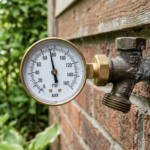
If multiple fixtures hiss — not just the toilet — high water pressure is worth investigating. A simple pressure gauge that attaches to an outdoor hose bib provides an accurate reading in under two minutes. Knowing how to test home water pressure with a gauge takes the guesswork out of diagnosing plumbing noise that affects more than one fixture.
Normal residential water pressure runs between 40 and 80 PSI. Anything above that regularly causes fill valves, flappers, and supply connections to wear prematurely and hiss. A pressure reducing valve (PRV) installed on the main supply line brings pressure into the safe range and often eliminates noise throughout the home.
How to Diagnose the Hissing Sound Step by Step
Working through these checks in order identifies the problem without unnecessary parts purchases.
- Remove the tank lid and observe while the tank refills after a flush. Watch where the sound and any visible vibration originate.
- Check the water level relative to the overflow tube. If water is spilling into the tube, the float is set too high.
- Listen after the tank finishes filling. If hissing continues once the fill valve shuts off, suspect the flapper or supply valve.
- Run the dye test. Food coloring in the tank confirms a flapper leak within 10–15 minutes.
- Check the supply valve at the wall. Ensure it’s fully open and feel whether the hiss changes when you slightly adjust it.
- Test home water pressure if other fixtures also make noise or if the toilet’s internal components wear out unusually fast.
When to Replace vs. Repair
| Problem | DIY Fix? | Parts Cost | Time Required |
|---|---|---|---|
| Worn fill valve | Yes | $10–$20 | 20–30 minutes |
| Leaky flapper | Yes | $3–$8 | 5–10 minutes |
| Float adjustment | Yes | $0 | 5 minutes |
| Supply shutoff valve | Requires main shutoff | $10–$30 | 30–60 minutes |
| High water pressure (PRV) | Plumber recommended | $50–$150 installed | 1–2 hours |
Most hissing toilet repairs fall into the first three categories — parts available at any hardware or home improvement store, no prior plumbing experience required. If the supply valve or a PRV is involved, a licensed plumber handles the job more efficiently since both require cutting the main water supply.
How to Prevent the Hissing from Coming Back
Replacing a worn part solves the immediate problem, but a few habits reduce how often internal toilet components fail.
Inspect the tank annually. Remove the lid once a year and look at the fill valve, flapper, and float. Checking for discoloration, cracks, or mineral buildup takes less than two minutes and catches problems before they become constant noises or significant water waste.
Address hard water. Mineral deposits are the leading cause of premature flapper and fill valve failure. If the inside of your tank shows white or orange buildup, consider a water softener or at minimum descale the tank components annually with white vinegar.
Don’t ignore slow leaks. A continuously running toilet can waste 200 or more gallons per day without ever flooding the bathroom. A hissing toilet that never fully goes quiet is almost always wasting water. The Water Conservation impact of a single leaky toilet is larger than most people expect. Replacing a $5 flapper can save thousands of gallons annually.
Verify water pressure after any major plumbing work. Pressure changes during pipe repairs or municipal supply work sometimes push household PSI above safe levels. Testing pressure after any significant plumbing event catches this early.
If your water pressure fluctuates noticeably throughout the day, that instability can accelerate wear on toilet fill valves and supply connections — a useful thing to check if the toilet hiss comes and goes on its own cycle.
FAQ
Why does my toilet hiss for a few seconds after every flush but then stop?
A brief hiss during and immediately after the fill cycle is normal in many toilets — it’s simply the sound of water rushing through the fill valve under pressure. If the sound stops cleanly once the tank reaches its full level and remains quiet until the next flush, the fill valve is functioning as designed. The sound becomes a problem when it continues beyond the fill cycle, grows louder over time, or never fully stops between flushes.
Can a hissing toilet increase my water bill?
Yes, depending on the cause. A continuous hiss caused by a leaky flapper or a float set too high means the toilet is running constantly — water flows from the tank into the bowl without stopping. A toilet running this way can waste between 100 and 200 gallons per day, which adds up noticeably on a monthly water bill. Intermittent hissing during the fill cycle only wastes water if the cycle takes much longer than it should.
Is a hissing toilet a sign of a bigger plumbing problem?
In most cases, no. Toilet hissing is almost always caused by normal wear of inexpensive internal components — flappers and fill valves are consumable parts that degrade over time. The exception is when the hissing coincides with low water pressure throughout the home, visible pipe corrosion, or unexplained wet spots, in which case it may be worth having a plumber evaluate the supply lines. Toilet-specific hissing with no other symptoms is rarely a sign of serious plumbing damage.
How long do toilet fill valves typically last?
A quality fill valve lasts between 7 and 15 years under normal water pressure and water quality conditions. Hard water, high pressure, or frequent cycling significantly shortens that range. Fill valves in homes with hard water often show signs of degradation within 3–5 years. Brands like Fluidmaster and Korky manufacture replacement valves widely considered reliable for most standard toilets, and both are compatible with most two-piece toilet designs.
Why does my toilet hiss only at night?
Toilets that hiss specifically at night are almost always responding to elevated water pressure. Municipal water pressure is often higher during late-night hours when overall demand in the service area drops. Higher pressure forces water through marginally worn fill valves or supply connections with more force, producing audible hissing that doesn’t occur during daytime pressure levels. Testing water pressure at different times of day confirms whether nighttime pressure spikes are the cause. For broader plumbing issues related to pressure changes, understanding how the Water Pressure & Plumbing system in your home behaves over the course of a day provides useful context.