Let me start by sharing something personal. A few years back, I moved into a neighborhood where the tap water had this weird metallic taste. I could smell chlorine every time I filled a glass, and honestly, I was concerned about what else might be in there beyond what I could taste or smell. That’s when I started researching water filtration systems, and what I discovered completely changed how my family approaches drinking water at home. Today, I want to share everything I’ve learned with you because having clean, safe drinking water shouldn’t feel like a luxury.
Understanding Water Quality Issues
Before diving into solutions, let’s talk about why water filtration matters in the first place. Most people assume that if water comes from their tap, it’s automatically safe to drink. That’s not necessarily true. Municipal water systems add chemicals like chlorine and fluoride to kill bacteria and protect your teeth. While these chemicals serve a purpose, many people find the taste off-putting or prefer to reduce their exposure to them.
Beyond municipal treatment, water can pick up various contaminants as it travels through pipes. These might include sediment, rust from old pipes, bacteria, viruses, pesticides, and heavy metals like lead. Some of these substances are actually tested for by local water authorities, but others aren’t regulated at all. When I discovered that my local water report listed several contaminants at levels the EPA considered “acceptable,” I realized that acceptable for regulation doesn’t necessarily mean ideal for my family’s health.
If you get water from a well, the situation becomes even more variable. Well water isn’t regulated by the EPA, which means testing your water quality becomes your responsibility. I have friends who discovered high levels of iron and sulfur in their well water only after buying a home. They now wish they’d tested the water before making their purchase decision.
The point is this: knowing what’s in your water is the first step toward deciding whether you need filtration and what type might work best for you.
How Water Filters Actually Work
Water filtration sounds complicated, but the fundamental principle is pretty straightforward. Filters work by passing water through material that traps unwanted substances while allowing clean water to pass through. Different filter types trap different things, which is why choosing the right one for your situation matters.
Imagine water filtration like a security checkpoint at an airport. Just as different checkpoints screen for different threats, different filters target different contaminants. Some filters are designed primarily to improve taste and odor. Others focus on removing bacteria and viruses. Still others target specific chemicals like chlorine or heavy metals. The most comprehensive systems use multiple filters working together to address various contaminant types.
The mechanical process is what gets most people’s attention, but there’s chemistry happening too. Activated carbon filters, for example, don’t just trap particles. They actually absorb certain chemicals at a molecular level. This is why they’re so effective at removing chlorine and organic compounds that affect taste and smell. From my experience, activated carbon made the biggest difference in improving my tap water’s taste immediately.
Reverse osmosis systems work differently. They force water through a semipermeable membrane under pressure. This membrane has microscopic holes that allow water molecules through but block almost everything else. This is incredibly thorough but also slower. When I was considering systems, my plumber explained that reverse osmosis removes about 95 percent of dissolved solids in water. That includes both contaminants and some minerals, which some people worry about, though most nutrition experts suggest getting minerals from food rather than water anyway.
Types of Water Filtration Systems and Their Differences
Having researched this extensively, I’ve learned there’s no single “best” water filter. The best one depends on your specific situation, water quality, and how much you’re willing to spend. Let me walk you through your main options.
Pitcher filters are the entry point for many people. You fill a pitcher and let gravity pull water through a filter cartridge. They’re inexpensive, require no installation, and work reasonably well at improving taste and reducing chlorine. The downside is that they filter slowly, you can only treat one pitcher at a time, and you’ll replace cartridges frequently. I used one for a few months and found it convenient but somewhat impractical for a family.
Faucet-mounted filters attach directly to your kitchen sink. They’re slightly better than pitchers because they provide filtered water on demand without waiting time. However, they reduce water pressure, they wear out quickly if you have high contaminant levels, and they’re a bit awkward to use if you need hot water. Some guests have found them annoying to use, to be honest.
Under-sink filters install in the cabinet beneath your sink and provide filtered water through a separate faucet. This is my current setup, and I genuinely love it. You get filtered water without reducing pressure at your main faucet, the filter lasts longer because it’s just for one dedicated tap, and it looks cleaner than faucet-mounted options. Installation is straightforward if you’re handy, or a plumber can handle it quickly and affordably.
Countertop filters sit on your counter and connect to your faucet with a hose. They’re easy to install and work well, but they take up counter space and some people find them visually unappealing. I had one at my previous apartment, and it did the job, though I prefer having something tucked under the sink.
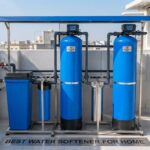
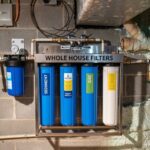
Whole house systems filter all the water entering your home. If you have the budget, this is the most comprehensive solution. Every tap, shower, and toilet gets filtered water. The downside is significant cost, both for installation and ongoing maintenance. You’re also filtering water for showers and toilets, which many people argue is unnecessary since you’re not drinking or cooking with it. These systems make more sense if you have well water with serious quality issues or if you want filtered water throughout your home for bathing.
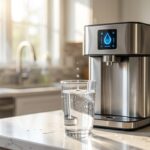
Refrigerator filters work if your fridge has an ice maker and water dispenser. They’re convenient but can be expensive to replace regularly, and they only address cold drinking water, not cooking water.
Choosing the Right System for Your Home
Selecting a filtration system requires matching your needs to available options. Start by understanding what you’re filtering out.
If you’re on municipal water, request a copy of your local water quality report from your utility company. They’re required to provide this annually, and it will tell you what contaminants are present in your area and at what levels. If you have well water, invest in professional testing. It costs around 150 to 300 dollars but provides incredibly valuable information.
Consider your usage patterns. If you only care about drinking water and cooking, an under-sink or pitcher filter makes sense. If your water has chlorine taste issues but no serious contamination, activated carbon filtration is sufficient. If you’re dealing with heavy metals, bacteria, or high mineral content, you might need reverse osmosis or a more sophisticated system.
Budget matters too, and I don’t think anyone should feel bad about that. Water filtration ranges from 20 dollars for a basic pitcher to thousands for a whole house system. I personally think the sweet spot for most families is an under-sink reverse osmosis system, which typically costs 200 to 400 dollars installed, plus regular cartridge replacements of about 50 to 100 dollars yearly. It’s affordable enough to implement quickly but thorough enough to address most contaminant concerns.
Think also about maintenance requirements. Some filters need replacement every two months. Others last longer but cost more per cartridge. The total cost of ownership matters more than any single factor.
Installation and Maintenance
Installation difficulty varies widely depending on what you choose. Pitcher and faucet filters require essentially zero installation skills. Countertop filters need just a hose attachment. Under-sink systems require slightly more skill but are manageable for anyone comfortable with basic plumbing connections.
Whole house systems definitely need professional installation, as they connect to your main water line and often require plumbing modifications.
The maintenance side of things involves regular filter changes. Ignoring this is probably the biggest mistake I see people make. A filter that’s filled with trapped contaminants becomes ineffective and can actually make water quality worse by allowing trapped bacteria to grow. I set phone reminders when I install new cartridges so I remember when to replace them. Most filters come with replacement schedules based on usage and water quality.
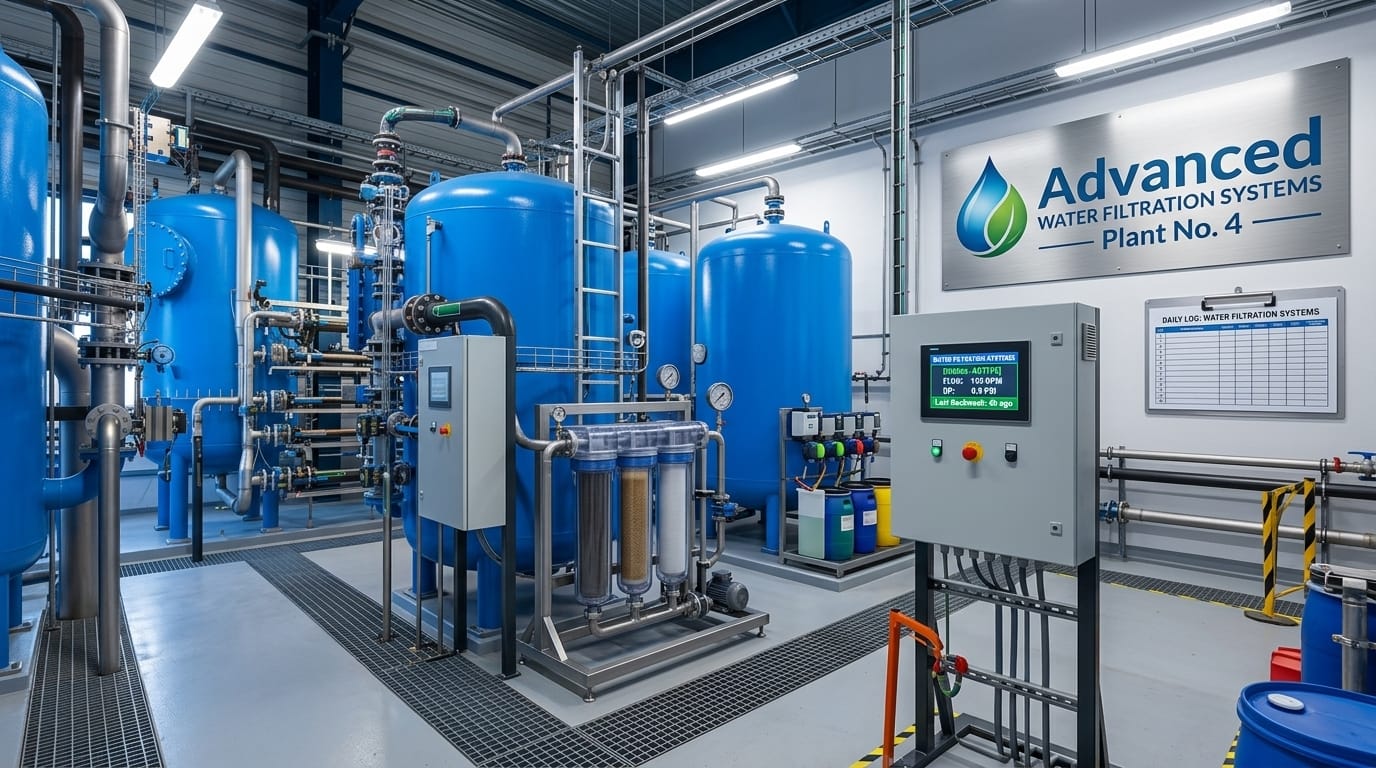
Some systems require additional maintenance. If you have a reverse osmosis system, the membrane eventually needs replacement, though less frequently than the prefilters. Whole house systems sometimes require occasional backflushing to clear trapped sediment. If you’re thinking about a system requiring significant maintenance, factor that into your decision.
Cost Considerations and Long-term Value
Let’s talk about the financial side because it genuinely affects most people’s decisions.
A basic pitcher filter costs about 25 to 35 dollars upfront, but replacement cartridges run about 5 to 7 dollars every two months. That’s roughly 30 dollars yearly. For casual users, this seems cheap, but families drinking multiple pitchers daily could spend more.
Faucet-mounted filters cost around 30 to 50 dollars with cartridges at 10 to 15 dollars every three to six months. You’re looking at 40 to 60 dollars annually.
Under-sink systems run 200 to 500 dollars for installation and equipment, with annual cartridge costs of 50 to 100 dollars depending on water quality.
Whole house systems start around 1500 dollars and can reach 5000 dollars or more, with annual maintenance costs of 150 to 300 dollars.
The real question isn’t just the purchase price but the total cost per gallon of filtered water over several years. An under-sink reverse osmosis system might cost 350 dollars to install plus 400 dollars over five years in cartridges. If your family drinks 150 gallons monthly, that’s 9000 gallons over five years, or about 8 cents per gallon. Compare that to buying bottled water at 5 to 10 dollars per gallon, and the savings become obvious.
Another thing I realized is that a moderately priced system you’ll actually maintain is better than an expensive system you neglect. I’d rather see someone replace filters in a 200-dollar under-sink system consistently than spend 2000 dollars on a whole house system and never maintain it.
Common Questions About Water Filtration
Do I really need a water filter? The honest answer is it depends. If your water tastes fine and your local quality report shows no concerning contaminants, you might be okay without one. But if you want extra assurance, filtration provides peace of mind that costs relatively little.
Is filtered water healthier than tap water? This is nuanced. Municipal tap water is regulated and generally safe. Filtering it removes some contaminants and taste issues but also removes some minerals. Most healthy people get sufficient minerals from food, so this isn’t a major concern.
How often should I replace filters? This varies by filter type and water quality. Check your filter’s specifications. I replace my under-sink cartridges every six months based on my water usage and quality.
Will a filter slow down my water pressure? Pitcher and faucet filters will reduce flow. Under-sink and whole house systems generally maintain good pressure. Reverse osmosis naturally flows slowly, but most people don’t mind since you’re just filling glasses.
Can I install a water filter myself? Many systems allow DIY installation, though some people prefer hiring professionals. I’ve done both. Installation is straightforward but takes patience and attention to avoiding leaks.
Conclusion
After exploring water filtration extensively, I’ve come to appreciate how accessible clean water solutions have become. Whether you’re concerned about taste, odor, or specific contaminants, there’s an option fitting virtually any budget and lifestyle.
The key is starting with understanding your water quality, honestly assessing your needs, and choosing a solution you’ll actually maintain. I’ve found that most people end up happiest with under-sink systems or quality pitcher filters, depending on their usage and preferences. Whatever you choose, taking steps to improve your water quality is a worthwhile investment in your family’s wellbeing.
Don’t overthink this. Test your water, identify what concerns you, find a sensible solution, and enjoy better-tasting water knowing you’re taking action to protect your health.
Frequently Asked Questions
Q: What’s the difference between water filtration and water purification?
A: Filtration traps contaminants physically. Purification typically refers to more advanced treatment like distillation or reverse osmosis that removes dissolved substances at a molecular level.
Q: Do I need to change my filter if the water still tastes fine?
A: Yes. A full filter can harbor bacteria even if it still removes some taste issues. Stick to the manufacturer’s replacement schedule.
Q: Is reverse osmosis water bad for you?
A: No. While it removes minerals, you get minerals from food. It’s not inherently unhealthy.
Q: Can water filters remove fluoride?
A: Some filters can. Activated carbon doesn’t, but reverse osmosis and certain specialized filters do.
Q: How do I know if I need a whole house system?
A: You probably need one if you have well water with serious contamination, prefer filtered water for bathing, or have high-sediment issues affecting appliances.