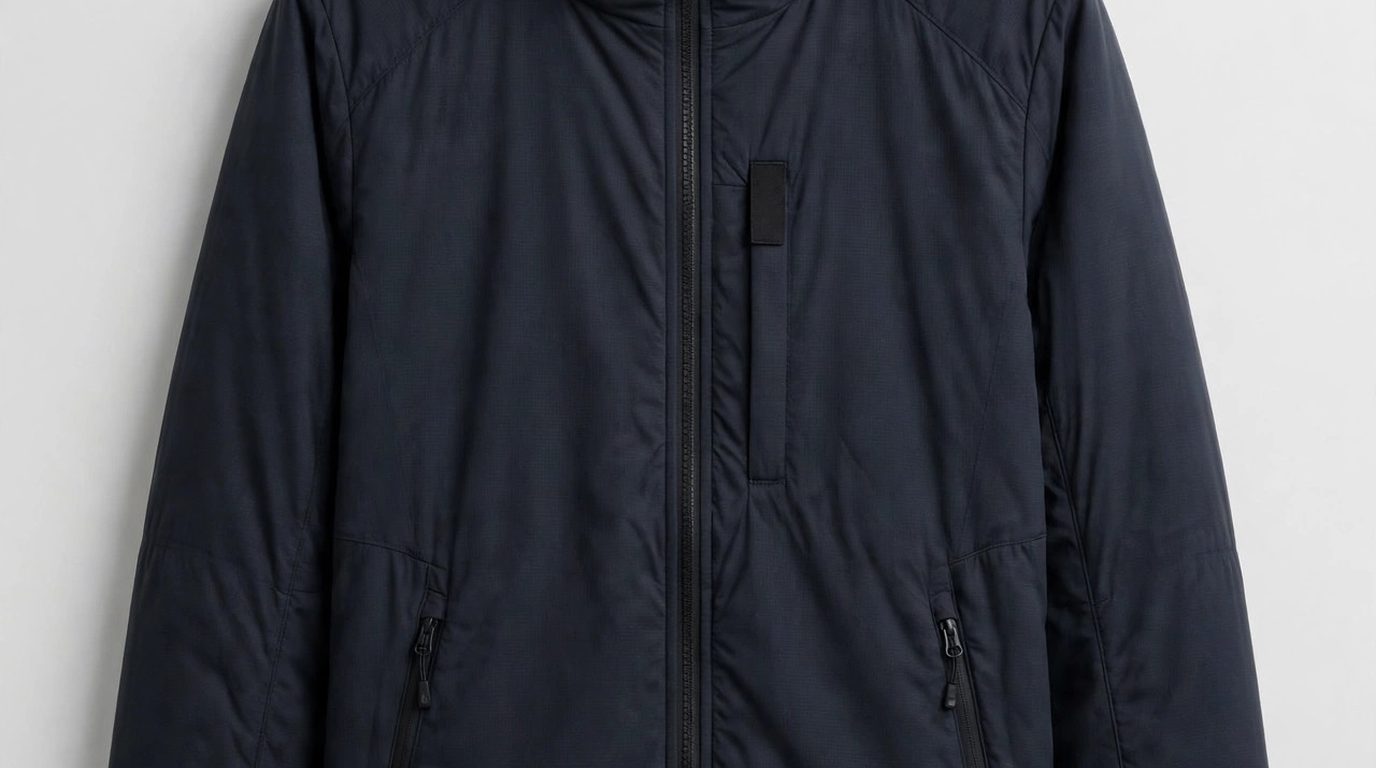
Few outdoor brands are as widely recognised as The North Face, and few pieces of outdoor clothing get searched for as often as a men’s TNF jacket. Shoppers use the shorthand “TNF” because the brand’s logo and initials are everywhere, from city streets to mountain trails. But that popularity creates a problem: there are many different kinds of TNF jackets, built for very different weather and activities, and buying the wrong one is an easy mistake. A lightweight rain shell will not keep you warm in winter, and a heavy insulated parka will feel miserable on a mild autumn walk.
This guide sorts through the range in plain language. It explains the main types of men’s TNF jackets, how each one handles warmth and weather, how to get the fit right, and what to check before you spend your money. Whether you need a men’s TNF jacket for commuting, hiking, travel, or everyday winter wear, you will finish this guide knowing which style suits you and what to look for when you shop.
IN THIS GUIDE
- What “TNF” Means and Why It Matters
- The Main Types of Men’s TNF Jackets
- Warmth: How to Judge It Without a Label
- Weather Protection: Rain, Wind, and Snow
- How to Find Your Fit
- Features Worth Paying For
- Choosing a Jacket for Your Activity
- Comparing Jacket Types
- Layering: Making One Jacket Work Harder
- Care and Maintenance
- Common Buying Mistakes
- Frequently Asked Questions
- Conclusion
The short answer: the best men’s TNF jacket for you depends on when and where you will wear it. For rain and wind, a waterproof shell is the right tool. For cold, dry weather, an insulated jacket or a warm parka makes more sense. For changeable conditions, a versatile softshell or a men’s TNF jacket you can layer over a fleece covers the most ground. Start with your weather and your activity, then choose the style built for that job, and check the fit before you buy.
What “TNF” Means and Why It Matters
TNF is simply shorthand for The North Face, the outdoor clothing and equipment brand founded in the United States and now sold all over the world. The brand built its name on gear for climbing and cold-weather expeditions, and that heritage still shapes its jackets today. Even its everyday styles tend to borrow ideas from its mountain range: practical pockets, adjustable hoods, sturdy zips, and fabrics chosen to handle weather rather than just look good.
That heritage is useful to know because it explains why TNF jackets often cost more than a basic high-street jacket. You are paying for fabric technology, construction, and design that has been tested in demanding conditions. That does not mean every TNF jacket is right for every buyer, and it does not mean the most expensive option is the best one for you. It means the range is built around real outdoor use, so the details matter: a hood that adjusts properly, a zip that works with gloves on, and a hem that stays put in wind are all features that earn their keep.
It also explains why the range is so broad. A brand that serves both mountaineers and city commuters has to make very different jackets, and the same logo can appear on a featherlight rain shell and on a heavy winter parka. Knowing which type you are looking at is the first step to buying well, so the next section breaks the range down into its main families.
The Main Types of Men’s TNF Jackets
Most men’s TNF jackets fall into a handful of categories, and learning them makes shopping much simpler. The first is the rain shell, sometimes called a hardshell. This is a lightweight, waterproof jacket designed to keep rain and wind out. It usually has little or no insulation of its own, which means it works best layered over a fleece or a sweater in cold weather, and on its own in milder rain. If you walk, cycle, or commute in wet weather, a rain shell is often the most useful jacket you can own.
The second category is the insulated jacket. These jackets have a layer of insulation, either down or a synthetic fill, that traps warmth close to your body. Down-insulated jackets are usually very warm for their weight and pack down small, which makes them popular for travel and cold days. Synthetic insulation keeps working better when it gets damp, and it is often easier to wash and care for. Insulated jackets suit cold, dry days and winter wear, and they are the go-to choice when warmth matters more than rain protection.
The third category is the softshell. A softshell is a flexible, breathable jacket that handles wind and light rain while letting you move freely. It is not as waterproof as a hardshell and not as warm as an insulated jacket, but it covers the middle ground beautifully. Softshells suit active days, such as hiking, cycling, or working outdoors, where you generate heat and need a jacket that breathes rather than making you sweat.
Then there are parkas and longer winter coats. These are built for serious cold: longer coverage, generous insulation, and details like a warm hood and storm cuffs. They suit long periods outdoors in winter, cold commutes, and anyone who feels the cold easily. Finally, there are fleece jackets and lighter midlayers. These are not weatherproof on their own, but they are the layering piece that turns a shell into a winter system, and they double as a comfortable standalone jacket in mild weather.
Practical tip: If you can only buy one men’s TNF jacket, think about your worst regular weather, not your average day. A jacket that handles your hardest conditions will usually cope with easier days too, especially if you can layer under it.
Warmth: How to Judge It Without a Label
Jacket warmth is one of the hardest things to judge from a product page, because brands describe warmth in different ways and there is no single standard that covers every style. The most reliable approach is to look at the construction. A men’s TNF jacket with a thick layer of insulation and a close-fitting design will generally be warmer than a thin, loose shell, and a longer jacket that covers your hips will keep you warmer than a short one that lets cold air in at the waist.
The type of insulation matters too. Down is prized because it traps a lot of warmth for very little weight, which is why down jackets feel so light for how warm they are. Synthetic insulation is bulkier for the same warmth, but it has the advantage of coping better with damp conditions, and it dries faster if it does get wet. Neither is better in every situation; the right choice depends on whether you expect wet weather or dry cold.
Fit affects warmth more than most people realise. A jacket that is too loose lets warm air escape and cold air in, while a jacket that is too tight compresses the insulation and leaves no room for a warm layer underneath. The warmest setup is usually a jacket that fits close enough to trap air, with room for one insulating layer beneath it. When you try a men’s TNF jacket on, wear the kind of layer you would normally wear under it, and check that you can move your arms freely without the jacket feeling baggy.
Also consider the details that seal warmth in: an adjustable hood, a high collar, cuffs that close snugly, and a hem you can tighten. These small features make a noticeable difference on a cold, windy day, and they are often what separates a good winter jacket from a merely adequate one.
Weather Protection: Rain, Wind, and Snow
Weather protection is where jacket types differ most, so it is worth understanding the basics. Waterproofing in a rain shell comes from the fabric and from sealed seams, which stop water getting through the stitching. A men’s TNF jacket described as waterproof should keep you dry in sustained rain, while a jacket described as water-resistant will handle light showers and drizzle but will eventually let heavier rain through. That distinction matters: if you regularly walk in proper rain, choose a genuinely waterproof shell rather than a water-resistant softshell.
Wind protection is simpler. Most outdoor jackets block wind well, but a thin fleece or an unlined softshell may let a cold wind through. If you cycle, walk on exposed ground, or spend time in open country, windproofing is worth checking, because wind chill can make a mild day feel much colder than the temperature suggests.
Snow brings its own demands. A good men’s TNF jacket for snow should have a hood that fits over a hat or under a helmet, cuffs that keep snow out, and a hem that stays in place when you move. Longer parkas help here, because they protect your hips and lower back from drifting snow and cold wind. If you ski or spend time in the mountains, a dedicated snow jacket with the right pockets and fit is worth considering over a general-purpose winter coat.
Practical tip: Read the product description for the jacket’s intended use, not just its headline features. A jacket built for trail running will prioritise light weight and breathability, while one built for winter expeditions will prioritise warmth and storm protection, even if both carry the same brand name.
How to Find Your Fit
Fit is the part of buying a men’s TNF jacket that causes the most returns, and it is also the easiest to get right with a few checks. Start with your usual size, then look at the brand’s size guide and measure your chest if you are between sizes. Remember that outdoor jackets are often cut to allow a layer underneath, so a jacket that feels snug over a t-shirt may feel tight over a fleece. Always try a men’s TNF jacket on with the layers you actually plan to wear under it.
Check the shoulders first. The shoulder seams should sit at the edge of your shoulders, not drooping down your arms or pulling inward. Then raise your arms above your head: the jacket should not ride up so far that it exposes your waist, and the cuffs should not pull back to your elbows. Bend forward and check that the back hem still covers your waistband. These movements mimic what you will do in real life, whether that is reaching, walking, or carrying a bag.
Length is a matter of taste and purpose. A hip-length men’s TNF jacket is versatile and works well for active use, because it does not restrict your legs. A longer parka gives more warmth and coverage, which suits cold, still days better than fast-moving activities. Think about how you will use the jacket most often, and choose the length that suits that activity rather than the length that looks best in a photo.
Sleeve length matters too. The cuff should sit at your wrist bone when your arms hang relaxed, with enough room to cover your wrist when you reach forward. If the sleeves are too long, they get in the way; if they are too short, your wrists get cold and wet. Adjustable cuffs help here, because you can tighten them over gloves or loosen them for comfort.
Features Worth Paying For
Not every feature is worth extra money, but a few consistently earn their keep. An adjustable, well-shaped hood is one of them. A good hood moves with your head, stays up in wind, and does not block your peripheral vision. A poor hood blows off, fills with rain, or restricts your view, and you will notice the difference every time the weather turns.
Pocket placement is another practical detail. Hand pockets should be reachable when you wear a backpack, which is why many outdoor jackets place them higher on the chest. An inside pocket is useful for a phone or a wallet, keeping valuables close and dry. A chest pocket gives quick access to small items without opening the jacket. Think about what you carry every day, and check that the jacket’s pockets suit your routine.
Zip quality is easy to overlook and hard to live with when it fails. A sturdy, smooth zip that works with cold hands or gloves is worth more than a fancy-looking one that snags. Storm flaps over the zip add rain and wind protection, and a chin guard at the top of the zip stops the metal from rubbing against your neck. These are small details, but they affect comfort every time you wear the jacket.
Ventilation is worth considering if you are active. Underarm zips, sometimes called pit zips, let you release heat without taking the jacket off, which is a real advantage on a climb or a fast walk. Mesh lining can help too, though it adds a little weight. If you mostly wear your jacket for commuting or standing around, ventilation matters less, and you can prioritise warmth and weather protection instead.
Choosing a Jacket for Your Activity
The right jacket depends heavily on what you do in it. For commuting, a waterproof shell or a smart-looking insulated men’s TNF jacket usually works best. Commuters need rain protection, a tidy appearance, and a jacket that fits over work clothes without looking bulky. A packable shell that fits in a bag is a bonus for changeable days.
For hiking and walking, weight and weather protection matter most. A waterproof shell layered over a fleece gives you flexibility across seasons, and a softshell suits drier, more active days. Look for a hood, a comfortable fit with a backpack, and pockets you can reach while walking. Breathability matters here, because you will warm up as you move.
For travel, packability and versatility are key. A lightweight insulated men’s TNF jacket that compresses into its own pocket saves luggage space, and a shell that handles rain covers wet days. A single jacket that works for both a city day and a countryside walk is more useful on a trip than a specialist jacket that only suits one situation.
For everyday winter wear, warmth and comfort come first. A well-insulated men’s TNF jacket or parka with a warm hood will serve you better than a thin shell, even if it is bulkier. Choose something you enjoy wearing, because a winter jacket you avoid putting on is no use at all, however technically good it is.
Comparing Jacket Types
The table below summarises the main men’s TNF jacket types side by side. Use it to narrow your choice, then look at individual styles within the category that fits your needs.
| Jacket type | Warmth | Rain protection | Breathability | Best for |
|---|---|---|---|---|
| Rain shell (hardshell) | Low on its own; warm when layered | High | Moderate | Wet weather, commuting, hiking |
| Insulated jacket | High | Low to moderate | Moderate | Cold, dry days, winter wear, travel |
| Softshell | Moderate | Low to moderate | High | Active days, wind, light rain |
| Parka / winter coat | Very high | Moderate to high | Low to moderate | Serious cold, long time outdoors |
| Fleece / midlayer | Moderate | Low | High | Layering, mild weather, active use |
No single row wins on every measure, and that is the point. A rain shell beats an insulated jacket in a downpour, while an insulated jacket beats a shell on a freezing dry day. The best jacket is the one whose strengths match your weather and your activity. If your conditions vary a lot, a shell plus a separate insulating layer gives you the most flexibility, because you can wear either piece alone or combine them.
Layering: Making One Jacket Work Harder
Layering is the secret to getting more use out of any jacket, and it is how outdoor professionals handle weather that changes through the day. The basic system has three parts: a base layer that sits against your skin and manages moisture, a midlayer that provides warmth, and an outer layer that protects against rain and wind. Your men’s TNF jacket will usually be the outer layer or the midlayer, depending on its type.
A rain shell works as the outer layer over a fleece midlayer in cold weather, and on its own over a t-shirt in mild rain. An insulated men’s TNF jacket works as the outer layer in dry cold, and as a midlayer under a shell when it is both cold and wet. A fleece works as a midlayer under either, and as a standalone jacket on mild days. By combining pieces you already own, you can cover a wide range of conditions without buying a jacket for every possible forecast.
The key to layering is fit. Each layer should be slightly looser than the one beneath it, so you can move freely and trap warm air between layers. If your outer jacket is too tight to fit a fleece underneath, the system breaks down. When you buy a shell, try it on over your thickest midlayer to make sure the combination works. When you buy an insulated jacket, check that it fits over your usual base layer without feeling cramped.
Practical tip: Build your layering system around the jacket you wear most. If you already own a good fleece, a shell may be all you need. If you already own a shell, an insulated jacket may complete the set.
Care and Maintenance
Looking after a technical jacket is a little different from looking after ordinary clothing, but it is not complicated. The most important rule is to follow the care label on your specific jacket, because different fabrics and insulation types need different treatment. In general, wash technical jackets less often than everyday clothes, use a gentle cycle with cold or warm water, and avoid fabric softener, which can reduce water repellency and affect insulation.
After washing, a waterproof shell often benefits from being tumble dried on low heat or ironed gently, because heat helps reactivate the water-repellent finish on the fabric surface. Check the label first, since not every jacket suits this treatment. If your shell starts to absorb water instead of beading it off, a wash followed by gentle heat, or a spray-on water-repellent treatment made for outdoor clothing, usually restores much of its performance.
Down jackets need particular care. Wash them with a gentle detergent, and dry them thoroughly with clean tennis balls or dryer balls to break up clumps of down and restore loft. A down jacket that is stored compressed for months will lose some of its warmth, so store it loosely in a large bag or hung in a wardrobe when it is not in use. Synthetic jackets are more forgiving, but they still last longer when washed gently and dried properly.
Store any jacket clean and dry, out of direct sunlight, and with the zips closed. Small habits like these protect the fabric, the zips, and the insulation, and they keep a good jacket performing well for years rather than seasons.
Common Buying Mistakes
The most common mistake is buying for the logo rather than the job. A TNF jacket is a good product, but only if it is the right type for your weather. A fashionable insulated jacket will not keep you dry in a storm, and a featherlight shell will not keep you warm in January. Start with your conditions, then choose the type, then pick the style.
Another mistake is ignoring fit. Ordering online without checking the size guide, or trying a jacket on over a t-shirt when you will wear it over a sweater, leads to returns and disappointment. Take the time to measure, try the jacket with realistic layers, and use the retailer’s return policy if the fit is not right. A jacket that fits well is one you will actually wear.
A third mistake is overpaying for features you will never use. Mountaineering details like helmet-compatible hoods and ski-pass pockets are excellent if you climb or ski, but they add cost and complexity if you only need a jacket for the school run or the commute. Spend your money on the features that match your life: warmth, rain protection, fit, and pockets you will use.
Finally, do not assume the most expensive jacket is the warmest or the most waterproof. Price often reflects fabric technology, weight, and specialist design rather than raw warmth. Compare jackets within the category you need, read the product description carefully, and judge by construction and intended use rather than price alone.
Frequently Asked Questions
What does TNF stand for?
TNF is shorthand for The North Face, the outdoor clothing and equipment brand. Shoppers and fans commonly use the initials, especially when searching for jackets online.
Which men’s TNF jacket is best for rain?
A waterproof rain shell, sometimes called a hardshell, is the best choice for sustained rain. Look for a jacket described as waterproof rather than merely water-resistant, with sealed seams and an adjustable hood.
Which men’s TNF jacket is warmest?
Long, well-insulated parkas are generally the warmest option, followed by insulated jackets with a good layer of down or synthetic fill. Warmth also depends on fit and layering, so a jacket that fits well over a warm layer will usually feel warmer than a looser one.
Are TNF jackets good for everyday wear?
Yes, many TNF jackets work well for everyday wear, especially insulated jackets and versatile shells. Choose a style that suits your daily routine, and consider whether you need rain protection, warmth, or both.
Should I size up in a TNF jacket?
It depends on the style and how you plan to layer. Outdoor jackets are often cut to allow a layer underneath, so your usual size may already have room. Check the size guide, try the jacket with your normal layers, and size up only if it feels tight over those layers.
How do I wash a TNF jacket?
Follow the care label on your specific jacket. In general, wash technical jackets gently in cold or warm water, avoid fabric softener, and dry them according to the label. Down jackets need thorough drying to restore their loft.
Can one jacket cover all seasons?
One jacket rarely covers every season well. A shell plus a separate insulating layer comes closest, because you can wear either piece alone or combine them. If you must choose one jacket, pick the one that handles your hardest regular weather.
Conclusion
Buying a men’s TNF jacket is much simpler once you think in terms of job first and style second. Rain calls for a waterproof shell, cold calls for insulation, active days call for breathability, and serious winter calls for a parka. Fit ties it all together: a jacket that fits well over your normal layers, with a hood, cuffs, and hem that seal out weather, will serve you far better than a technically impressive jacket that fits badly.
Take your time, measure yourself, try jackets with realistic layers, and be honest about the weather and activities you actually face. The right TNF jacket is not necessarily the most expensive one or the most popular one. It is the one that keeps you comfortable on the days you wear it most, and that you reach for without a second thought. Choose that one, look after it properly, and it will repay you for years.
Read Also: Levi’s Women’s 314 Shaping Straight Jeans (2026 Guide)