When I first moved into my new house about five years ago, I made a decision that changed how my family approaches drinking water. My daughter came home from school asking why our water sometimes looked cloudy, and honestly, I didn’t have a good answer. That question sparked a journey of discovery that led me to understand just how important water purification really is. Today, I want to share everything I’ve learned with you, because choosing the right water purifier for your home is one of the smartest investments you can make for your family’s health.
Why Your Home Needs a Water Purifier
Let me be straight with you. Most of us assume that tap water coming from our municipal supply is safe because it goes through treatment before reaching our homes. While this is partially true, the reality is far more complex. Water travels through old pipes, sometimes picks up sediment, and various contaminants can still slip through traditional treatment processes. In my own neighborhood, we discovered our water had higher than normal TDS levels, which stands for Total Dissolved Solids. These are basically minerals and salts dissolved in water that can affect taste, safety, and appliance lifespan.
Beyond TDS levels, tap water can contain bacteria, viruses, pesticides, heavy metals like lead and arsenic, and chlorine used in the purification process itself. Some of these substances are harmless in tiny amounts, but accumulating over months and years, they add up. I’ve spoken with neighbors who experienced skin irritation and digestive issues that improved dramatically after installing a good water purifier. While I’m not a doctor, the connection seemed undeniable.
Understanding What’s Actually in Your Water
Before you can choose the right purifier, you need to know what’s wrong with your water. This seems obvious, but many people skip this crucial step and end up buying the wrong system. I remember my brother bought an expensive water purifier designed for well water when he lived in a city with municipal water supply. It was overkill and unnecessary.
You can start by contacting your local water utility. They usually provide water quality reports showing exactly what’s in your supply. If you’re on well water, you’ll want to get your water tested at a certified laboratory. The test results will show things like pH level, hardness, specific contaminants, and bacterial presence. Once you know what you’re dealing with, choosing a purifier becomes much easier.
In my case, the water report showed hard water with moderate chemical contamination. This meant I needed something that could handle both softening and chemical removal, not just basic filtration.
Exploring Different Purification Technologies
Now here’s where it gets interesting. There are several different technologies used in water purifiers, and each has specific strengths.
Reverse Osmosis Systems
Reverse osmosis, or RO as most people call it, is probably the most popular choice for home water purification. It works by forcing water through a semi-permeable membrane under pressure. Only pure water molecules pass through, while contaminants get flushed away. RO systems are incredibly effective at removing dissolved solids, bacteria, viruses, and chemical contaminants. When I researched different options, RO came up repeatedly as the gold standard for comprehensive purification.
However, RO systems do have some drawbacks. They produce wastewater, typically using three to five liters of water for every one liter of purified water produced. Also, they remove beneficial minerals along with harmful substances, which is why many modern RO systems now come with mineral cartridges to add back essential minerals that your body needs.
Ultraviolet Light Purification
UV purification uses ultraviolet light to kill bacteria and viruses. It doesn’t remove dissolved solids or chemical contaminants, so it’s usually used alongside other filtration methods. I think of UV as a good secondary defense rather than a primary solution. It’s excellent if your main concern is microbial contamination from well water or if your municipal supply has occasional bacterial concerns.
Activated Carbon Filters
These work through adsorption, where contaminants stick to the porous surface of activated carbon. They’re particularly good at removing chlorine, pesticides, and improve water taste and smell. They don’t remove dissolved minerals or pathogens though. Many water purifiers use activated carbon as one layer in a multi-stage system.
Ultrafiltration Technology
UF systems use membranes with tiny pores to remove bacteria, viruses, and suspended solids. Like UV, they don’t remove dissolved chemicals or minerals. They’re useful components in combination systems but usually not standalone solutions for comprehensive purification.
Combination Systems
Most quality home water purifiers use multiple technologies working together. A typical setup might include sediment pre-filter, activated carbon filter, RO membrane, UV light, and mineral cartridge all working in sequence. This layered approach addresses different types of contaminants. When I finally decided on a system, the combination model made the most sense for my situation.
Key Factors to Consider Before Purchasing
Let me walk you through the decisions I wrestled with when choosing my water purifier, because these same questions will help guide your choice.
Water Quality and Contamination Type
Your water test results should drive your technology choice. If you have very hard water, an RO system is almost essential. If your main concern is bacteria from well water, UV or UF might be sufficient. Chemical contamination requires activated carbon and RO. This is why getting your water tested first really matters.
Household Size and Daily Water Consumption
I live in a family of four, and we consume quite a bit of water between drinking, cooking, and making tea and coffee. Some water purifiers have limited storage capacity or slow purification rates. If you have a large family or high water consumption, you need a system that can keep up. Check the purification rate, usually measured in liters per hour, and whether it has a storage tank or purifies water on demand.
Available Space and Installation Location
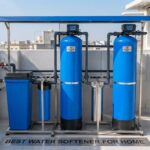
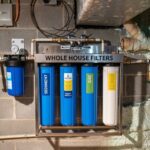
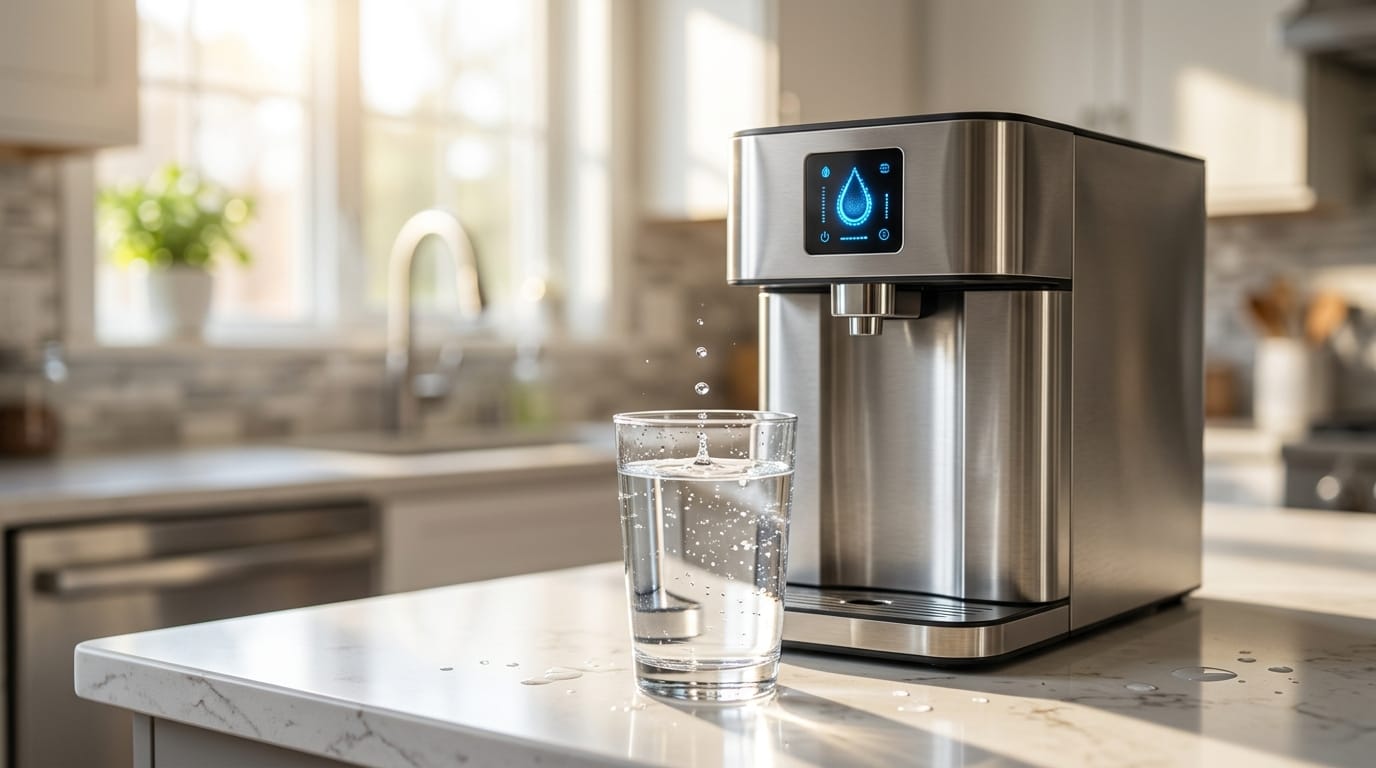
This one surprised me in importance. Water purifiers can be countertop units, undersink models, or whole-house systems. Your kitchen layout matters significantly. I wanted an undersink model to maintain my countertop aesthetics, but some older homes have plumbing configurations that make undersink installation complicated. Measure your space carefully and understand your plumbing before buying.
Budget Considerations
Water purifiers range from a few thousand rupees for basic models to hundreds of thousands for premium whole-house systems. But remember, cost isn’t just the initial purchase price. You need to factor in installation, replacement filter costs, and maintenance. Some systems require filter changes every three to six months, adding up over time.
Long-term Maintenance Requirements
This is something I learned the hard way. Some brands have expensive replacement filters that are hard to find, while others offer affordable, readily available cartridges. Talk to local dealers about availability and pricing before committing. I almost bought a premium brand until I discovered replacement filters cost nearly half the original system price.
Finding Your Perfect Water Purifier
Based on everything you’ve learned about your water and your needs, here’s how to approach the selection process. If you have hard water with TDS over 500 ppm, an RO system is practically mandatory. If water hardness is moderate but chemical contamination is present, a combination UF plus carbon system might work. If contamination is primarily bacterial, UV or UF becomes your focus.
When evaluating specific brands and models, don’t just look at price. Read reviews from actual users, not just promotional content. Visit local showrooms and see the systems in person. Ask about warranty coverage, what it covers and for how long, because some warranties are quite limited. In my neighborhood, the most popular brands aren’t always the best for our specific water conditions, so local recommendations matter.
Installation and Getting Started
Once you’ve chosen your system, installation can be a major consideration. Some people prefer professional installation to ensure everything works perfectly, while others DIY to save money. I hired a professional, and while it cost extra, the technician explained maintenance requirements thoroughly and ensured everything was set up optimally.
After installation, your water quality will probably improve noticeably within days. Some people report better taste immediately. Our family noticed the water seemed fresher and our morning tea tasted significantly better. Over time, you might notice appliances like kettles have less mineral buildup and clothes washed in filtered water seem cleaner.
Maintenance That Keeps Your System Running
Here’s something crucial that many people overlook. A water purifier requires regular maintenance. Filter cartridges need replacement at recommended intervals, whether they look dirty or not. Bacteria can grow on filters even if water looks clear. I set phone reminders for my filter changes because it’s easy to forget.
In my experience, neglected maintenance is the biggest reason people become disappointed with their water purifiers. The system starts performing poorly, water flow decreases, and users blame the brand without realizing they skipped recommended maintenance.
Comparing Long-term Costs
When people ask me whether water purifiers are worth the investment, I compare it to buying bottled water. A quality water purifier might cost three to five thousand initially, then add maybe two to three thousand annually for filter replacements and maintenance. Compare that to buying bottled water for a family of four. Most families spend significantly more on bottled water annually, not to mention the environmental impact of plastic bottles.
I calculated that my system pays for itself in about eighteen months when compared to the cost of bottled water. After that, it’s basically free filtered water.
Common Mistakes to Avoid
Through my journey and conversations with others, I’ve noticed several mistakes people make. First, buying based solely on advertising without checking water quality. Second, choosing the cheapest option without considering maintenance costs. Third, neglecting maintenance once the system is installed. Fourth, not understanding that no single system is perfect for everyone.
The best water purifier for you depends entirely on your specific situation. What works perfectly for my hard water conditions might be completely wrong for your situation.
Conclusion
Finding the best water purifier for your home requires understanding your water, knowing your needs, and making an informed decision rather than an impulse purchase. Start with a water quality test, explore different technologies, and evaluate your household requirements realistically. Consider both immediate costs and long-term expenses. Most importantly, choose a system from a brand with good service support in your area because you’ll be dealing with them for filter replacements and maintenance.
The investment in clean drinking water pays dividends for your family’s health and your peace of mind. It took me some research and thought, but I’m genuinely glad we made the decision to install a water purifier. Every time I fill a glass of water for my daughter, I know she’s getting clean, safe drinking water.
Frequently Asked Questions
Q: How often do water filter cartridges need replacement?
A: This depends on your water quality and system type. Typically, cartridges need replacement every three to six months. Sediment filters might need more frequent changes than carbon filters. Your water quality report and usage patterns determine the specific schedule. I recommend checking manufacturer guidelines and monitoring water flow rate as an indicator.
Q: Is RO water safe to drink daily?
A: Yes, RO water is safe for daily consumption. Some people worry about mineral removal, but a balanced diet provides necessary minerals. Modern RO systems include mineral cartridges that add beneficial minerals back to the water. I’ve been drinking RO water for five years without any health issues.
Q: Can I install a water purifier myself?
A: Simple countertop or inline filters can be DIY installed, but undersink or whole-house systems benefit from professional installation. If you’re handy with plumbing, you might manage it, but ensuring proper connections and system performance is important. I recommend professional installation unless you have plumbing experience.
Q: What’s the difference between water hardness and TDS?
A: Water hardness refers to dissolved minerals, primarily calcium and magnesium. TDS (Total Dissolved Solids) measures all dissolved substances, including salts, minerals, and metals. Hard water and high TDS often occur together but aren’t identical. Your water report should specify both values.
Q: How much water is wasted in RO purification?
A: Most RO systems waste about three to five liters of water for every one liter purified. This seems wasteful, but the rejected water can be used for cleaning, watering plants, or other household purposes. Modern systems are becoming more efficient with better membrane technology.
Q: What are the warning signs that filters need replacement?
A: Reduced water flow rate is the most obvious sign. Water pressure dropping significantly or water taking longer to fill a glass indicates filter clogging. Some people report taste changes or water quality degradation. Don’t wait for obvious signs; follow manufacturer recommendations for replacement schedules.
Q: Should I buy a water purifier brand that’s popular nationwide or local?
A: Popular brands often have better service networks and readily available filters. However, some local brands work excellently for regional water conditions. Choose based on local availability of filters and service rather than brand prestige alone. Ask neighbors about their experiences with different brands.