When I first discovered the brown stains on my shower walls and felt my hair turning dry and brittle despite using expensive shampoos, I realized something was seriously wrong with my water. After doing some research and consulting with local plumbers, I found out I had hard water, which is a problem affecting millions of Americans. That discovery led me down a rabbit hole of learning everything about water softeners, testing different systems, and eventually transforming how my family experiences water in our home. Today, I want to share everything I’ve learned with you so you can make an informed decision without all the trial and error I went through.
Understanding Hard Water and Its Impact on Your Home
Hard water occurs when your water contains high levels of mineral content, particularly calcium and magnesium ions. Now, this might sound harmless, but these minerals create numerous problems that compound over time. Think of it this way: every time you use your tap water, these minerals are left behind, building up on your fixtures, inside your pipes, and even on your clothes and skin.
The problems start small but become increasingly noticeable. You’ll notice that your soap doesn’t lather well, leaving a sticky residue on your skin. Your clothes come out of the washing machine feeling stiff and looking dull, even if you use premium detergent. Your hair becomes difficult to manage, and your scalp might feel itchy. But the real damage happens behind the scenes. Those mineral deposits accumulate inside your water heater, reducing its efficiency and potentially shortening its lifespan by years. Your dishwasher starts leaving spots on your glasses. Your pipes gradually narrow as deposits build up inside them. This is when you realize that hard water isn’t just an inconvenience, it’s an expense that keeps growing.
I noticed these problems progressively over three years. At first, I thought I had sensitive skin because I kept getting small rashes. Then I blamed my aging appliances when my water heater started making strange noises. Only when a plumber told me I had significant mineral buildup inside my water heater did everything click into place. That’s when I started seriously considering a water softener system.
How Water Softening Technology Works
Water softeners operate on a surprisingly elegant principle called ion exchange, though the process has become much more sophisticated than it was decades ago. Let me explain this in a way that makes sense even if you’re not scientifically inclined.
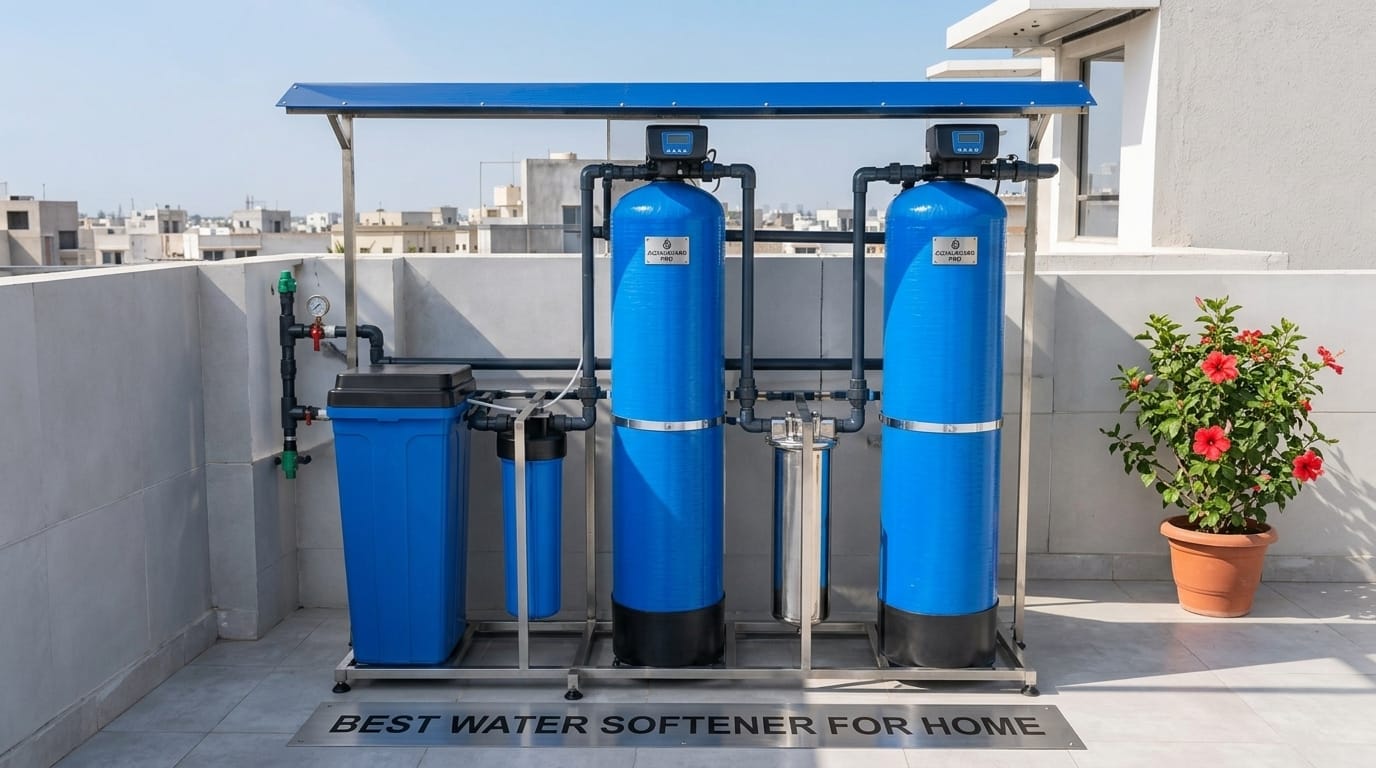
The core component of most water softeners is a tank filled with tiny plastic beads called resin beads. These beads are treated with sodium ions. When hard water containing calcium and magnesium ions passes through this tank, something interesting happens. The calcium and magnesium ions are attracted to the resin beads and stick to them, while the sodium ions are released into the water. This exchange happens at a molecular level, but the result is clear: your water exits the tank much softer, with significantly reduced mineral content.
Here’s where it gets interesting though. After the resin beads have exchanged ions many times, they become saturated with calcium and magnesium. At this point, they need to be regenerated. This happens during the regeneration cycle, usually at night when water usage is lowest. A concentrated salt solution is flushed through the tank, which reverses the ion exchange process. The calcium and magnesium ions are stripped from the beads and flushed away through the drain, while sodium ions coat the beads again. The system is now ready for another cycle of softening.
Salt-free water softeners work differently. Instead of removing minerals, they use a process called template-assisted crystallization to change the crystal structure of minerals so they don’t stick to surfaces. These systems don’t remove the hardness minerals, but they prevent the problems those minerals cause. They don’t require regeneration or salt, but they’re generally less effective at preventing buildup inside pipes and water heaters.
When I first learned about this process, I found it genuinely fascinating that something so complex could be simplified into these core mechanics. Understanding how your system works helps you make better decisions about maintenance and whether a water softener is actually right for your situation.
Key Benefits You’ll Experience with a Water Softener
After installing my water softener system, the changes were noticeable within days. The most obvious benefit was how soft and clean my skin felt after showering. That sticky, soapy feeling disappeared, and my skin felt genuinely moisturized for the first time in years. My wife immediately commented that her hair felt healthier and shinier, and she stopped needing to use conditioner constantly.
Your appliances will thank you for softer water. Your water heater will run more efficiently because it won’t have to work through mineral deposits. Plumbing systems last significantly longer. My plumber told me that hard water can reduce the lifespan of a water heater from 12-15 years to just 7-10 years. A water softener essentially adds years back to these appliances’ lives.
Cleaning becomes remarkably easier. You’ll use less soap and detergent because soft water allows soap to lather properly. Your dishes come out cleaner without that cloudy film. Your bathroom fixtures stay shinier without constant mineral buildup. You might think this sounds minor, but when you multiply this ease across hundreds of cleaning tasks over months and years, you realize how much time and money you’re saving.
Your clothes will look and feel noticeably better. They stay softer, retain their colors better, and genuinely last longer before wearing out. Hard water essentially damages fabric fibers over time, but soft water is gentler. Your laundry detergent also works more effectively, so you might be able to use less and still get superior results.
There are financial benefits too. You’ll spend less on cleaning products, because soft water is so much more efficient. You’ll spend less on appliance repairs and replacements. Your water heater operates more efficiently, lowering your energy bills. These savings add up significantly over the years.
Different Types of Water Softener Systems Explained
When you start shopping for water softeners, you’ll encounter several different types, and understanding the differences is crucial to making the right choice for your situation.
Ion exchange softeners are the most traditional and most common type. These are what I described earlier with the resin beads and regeneration cycles. They’re highly effective at removing hardness minerals and preventing buildup. The trade-off is that they require salt for regeneration, they consume water during the regeneration process, and they add small amounts of sodium to your water. For most people, the sodium addition is minimal and not a health concern, but anyone on a sodium-restricted diet might need to consider this carefully.
Salt-free water softeners, also called water conditioners, don’t actually remove minerals but prevent them from causing problems. These systems are maintenance-free, don’t add sodium, and don’t waste water. However, they’re less effective at preventing all the problems that hard water causes, particularly buildup inside pipes and water heaters. They work well if you’re more concerned about skin and hair quality than preventing mineral buildup.
Dual tank water softeners work like traditional ion exchange systems but have two resin tanks. While one tank is in regeneration mode, water flows through the other tank, so you never run out of soft water. This is great for large families or if you have high water usage.
Magnetic water softeners claim to change the properties of minerals using magnetic fields. The scientific evidence for these systems is weak, and they’re generally considered less effective than other options. I’d be cautious about investing in these.
After researching all options, I chose a traditional ion exchange softener because I wanted maximum effectiveness at preventing all the problems hard water causes. It was the right choice for my priorities, though someone in an apartment or with low water usage might make a different choice.
Top Water Softener Brands Worth Considering
Several brands have established strong reputations in the water softening industry, and these are worth considering seriously.
Culligan has been in the business for decades and offers various models for different needs. They provide good customer service and reliable performance. Many people choose Culligan because of their reputation and the availability of service technicians nationwide.
Water-Right produces systems known for efficiency and effectiveness. Their systems often have lower water and salt consumption than competitors, which appeals to environmentally conscious consumers.
Fleck manufactures some of the most popular water softener valves and tanks. Many other brands use Fleck components, so you’re often getting quality engineering even in different branded systems.
Whirlpool offers water softeners that integrate well if you already have other Whirlpool appliances in your home. Their systems are reliable and competitively priced.
WaterBoss systems are known for being compact and efficient, making them good for smaller spaces or households.
GE water softeners combine reliability with reasonable pricing and decent customer support.
When I was choosing my system, I checked reviews for each brand, looked at what independent testing organizations said, and considered which companies had service technicians in my area. Culligan ended up being my choice, but the right brand for you might differ based on your specific circumstances.
How to Select the Right Water Softener for Your Needs
Choosing the right water softener requires understanding your water hardness level, your household water usage, and your budget. Let’s work through each of these factors.
First, you need to know your water hardness. You can test this yourself with an inexpensive kit from any hardware store, or you can call your local water department and ask if they have testing data. Water hardness is measured in grains per gallon (GPG) or parts per million (PPM). Anything above 7 GPG is considered hard water. Most systems are sized based on this number.
Second, determine your household water usage. Look at your water bills if you have them, or calculate based on your household size and usage patterns. A family of four typically uses 70-100 gallons per day for normal activities. Some cities provide this information on their water websites.
Third, consider your space and preferences. Do you need a compact system for limited space, or do you have room for a larger tank? Do you want salt-free or salt-based? Can you handle regular maintenance, or do you need something nearly maintenance-free?
Based on these factors, water softeners are sized by their grain capacity. A softener that can remove 30,000 grains of hardness per regeneration cycle is appropriate for a family of four with moderately hard water. If your water is extremely hard, you might need a 40,000 or 48,000 grain capacity system.
When I was selecting my system, I tested my water and found it was 15 GPG, quite hard. My household had six people at the time, so I needed a system with significant capacity. I also had plenty of space for installation, so compact size wasn’t a concern. I chose a 48,000-grain system with a digital control that I could program for my specific water hardness.
Installation Considerations and Professional Options
Installing a water softener isn’t something you should attempt unless you have significant plumbing experience. The system needs to be installed where water enters your home, typically in the basement, utility room, or garage. If you install it incorrectly, you might not soften all your water, you could damage your pipes, or you might create a serious leak problem.
Most manufacturers recommend professional installation, and honestly, I agree with this recommendation. A professional plumber will ensure the system is installed correctly, all connections are secure and to code, and the bypass valve is properly configured. They’ll also help you set up the regeneration settings correctly based on your specific water hardness and usage patterns.
Professional installation typically costs between 300 and 800 dollars, depending on how straightforward your installation is. If your plumbing setup is unusual or your system is large and complex, it might cost more. This seems like a significant expense, but it’s worthwhile insurance against expensive mistakes and ensures your system operates optimally from day one.
I hired a licensed plumber for my installation, and I’m glad I did. He caught an issue with my water pressure that could have become problematic later, and he configured my system perfectly for my water chemistry and usage patterns. The extra cost was absolutely worth it for peace of mind and proper performance.
Maintenance and Long-Term Care Tips
Most ion exchange water softeners require surprisingly little maintenance if you set them up correctly. The primary maintenance task is keeping the salt tank filled. You’ll need to check it every month or two and refill it with water softening salt tablets. This is straightforward, though I’ll admit the bags of salt are heavy and awkward to handle. Some companies offer delivery services for salt if you don’t want to haul it yourself.
You’ll also want to clean the brine tank occasionally, maybe once or twice a year, just to remove any sediment that accumulates. This takes maybe 15 minutes and involves simply scooping out buildup from the bottom of the tank.
Monitor your system’s performance over time. You’ll notice if the water starts feeling harder, which means your system might need adjustment. Many modern systems have digital displays that show salt levels and other useful information.
If you have very hard water or high sediment in your water supply, you might benefit from adding a sediment filter before your water softener to extend its lifespan and improve performance.
Salt-free systems require virtually no maintenance, which is one of their significant advantages. They don’t have tanks to refill or cycles to monitor.
I check my system every month, which takes five minutes. I refill the salt tank every 6 to 8 weeks. I’ve never had to do anything more involved than that, and my system has worked perfectly for several years now.
Cost Analysis and Budget Planning
Water softener costs vary widely based on the type and quality of the system. Budget systems might cost 400 to 800 dollars. Mid-range systems typically run 800 to 1,500 dollars. High-end systems with advanced features can cost 1,500 to 3,000 dollars or more. Professional installation adds another 300 to 800 dollars.
You should also factor in ongoing costs. Salt for regeneration costs about 200 to 400 dollars per year for an average household. Salt-free systems have virtually no ongoing costs beyond occasional maintenance.
However, you need to weigh these costs against the savings you’ll experience. Most people save 200 to 500 dollars per year on reduced water usage, lower energy bills from more efficient appliances, and reduced spending on cleaning products and maintenance. Over the 10 to 15 year lifespan of most water softener systems, these savings easily offset the initial investment.
My family spent about 1,400 dollars on my system including professional installation. In my first year, I estimate we saved about 400 dollars through lower energy bills and reduced spending on cleaning products and detergent. That means my system will essentially pay for itself within the first three years, and provide pure savings from that point forward.
Common Myths About Water Softeners Debunked
I’ve encountered several misconceptions about water softeners that I want to address directly.
Myth: Softened water isn’t safe to drink or use for cooking. Truth: Softened water is perfectly safe. The ion exchange process removes calcium and magnesium but doesn’t introduce any harmful substances. If you have concerns about sodium content, you can use a reverse osmosis system for drinking water while softening your whole-house water.
Myth: Water softeners add chlorine to your water. Truth: They don’t add anything except in rare cases where a bit of sodium is introduced, and that’s minimal and not harmful.
Myth: All water softeners waste enormous amounts of water. Truth: Modern systems are efficient. Yes, they use some water during regeneration, typically 30 to 50 gallons per cycle, but the benefits far outweigh this minimal waste.
Myth: Once you start using a water softener, you can’t stop or your pipes will suffer. Truth: You can stop whenever you want. While returning to hard water would be unpleasant and less efficient, it won’t damage your pipes.
Myth: Water softeners completely eliminate all water problems. Truth: They’re very effective at preventing hard water problems, but they don’t address other water quality issues like sediment, bacteria, or chemical contamination. You might need additional filtration for those concerns.
Conclusion
After years of dealing with hard water problems and extensive research into solutions, I’m genuinely convinced that a water softener is one of the best investments a homeowner with hard water can make. The benefits to your skin and hair, the protection for your appliances, the improved performance of cleaning products, and the long-term financial savings combine to create a compelling case for installation.
The key to making the right choice is understanding your specific situation, your water hardness level, your household water usage, and your budget. Not every water softener is right for every home, but if you have hard water and want to address the problems it causes, investing in a quality system will absolutely improve your quality of life.
Don’t let yourself suffer from hard water problems the way I did. Test your water, understand your options, and make an informed decision. You’ll wonder why you waited so long once you experience the benefits of soft water throughout your home.
FAQ Section
Q: How often does a water softener need regeneration?
A: This depends on your water hardness and household usage. Most systems regenerate every 3 to 5 days automatically, though you can adjust this based on your needs.
Q: Can I install a water softener myself?
A: While some handy homeowners can manage it, professional installation is recommended to ensure proper setup, correct settings, and warranty compliance.
Q: Will a water softener remove all dissolved minerals from my water?
A: Ion exchange softeners significantly reduce calcium and magnesium but don’t remove all minerals. Some minerals beneficial to health remain in the water.
Q: How much salt does a water softener use?
A: A typical household uses 30 to 50 pounds of salt monthly, depending on water hardness and usage. This costs about 15 to 35 dollars per month.
Q: Is softened water safe for plants and pets?
A: Yes, it’s safe for both. However, some people prefer giving plants unsoftened water because they naturally use the minerals present.
Q: What are the signs that my water softener isn’t working properly?
A: Hard water returning despite the system running, excessive salt consumption, water leaking from the tank, or error codes on digital displays all indicate problems.
Q: How long does a water softener last?
A: Most quality systems last 10 to 15 years with proper maintenance. Some well-maintained systems can operate for 20 years.
Q: Can I soften my water without using salt?
A: Yes, salt-free systems are available, though they work differently and have different strengths and limitations than traditional ion exchange softeners.